
Autoimmune diseases are on the rise affecting 10% of the UK population. Diet and lifestyle are known to play a key role in prevention and management of these conditions, yet are rarely recommended as part of medical management. Dysbiosis is a key feature in autoimmune disease. Which foods are pro-inflammatory and how can a whole-food plant-based diet support both the gut microbiome and the immune system in this group of patients?
By Karen Lee, Nutrition and Lifestyle Medicine Educator, Plant-Based Health Professionals UK

Karen believes that food is the key to health and puts this into practice herself by using a whole food plant-based diet to manage a variety of health challenges, including multiple sclerosis. As a (now retired) intensive care nurse and registered nutritionist, she combines her love of delicious food with her professional background to inspire others to experience the powerful effects of using food as medicine.
Karen Lee’s book Healing from the Inside Out, one of our Recommends Reads is out now:

Managing autoimmune disease – the evidence for a whole food plant-based diet
10% of the UK population has one or more autoimmune disease.1 That’s a staggering 6.9 million people, on a scale comparable to heart disease (an estimated 8 million)2 or diabetes (an estimated 5.8 million)3 Major preventative and treatment programmes have been implemented to manage these two conditions, including dietary and lifestyle guidelines, but not autoimmune disease.
With over 100 different currently recognised disorders,4 specialist medical care is focused on each specific condition, not as an overarching group. Some conditions such as rheumatoid arthritis, Crohn’s disease and multiple sclerosis are well recognized with established and emerging disease modifying therapy programmes. Others, like Goodpasture’s syndrome or Linear IgA disease are uncommon; medical expertise and suitable treatments are hard to access.
What is autoimmune disease?
Autoimmune disorders develop when the immune system becomes overwhelmed and confused, otherwise known as dysregulation, resulting in loss of tolerance to ‘self’. Healthy cells and tissues are mistaken for non-self pathogens through the processes of molecular mimicry and bystander activation. Sustained or repetitive attacks result in damage to these targeted tissues, organs or systems; sometimes loss of function is permanent.
Whilst the underlying cause of autoimmunity remains unknown, it is commonly recogniszed to be a combination of genetic susceptibility (approx. 30%) and environmental factors (approx. 70%).5 Recognised environmental factors include exposure to toxins (smoking, air pollution, chemicals etc.), infections, low vitamin D levels, high stress and poor quality diet. Whilst some of these factors are hard to avoid, others such as vitamin D supplementation and diet are readily modifiable.
The impact on quality of life
Autoimmune diseases have a strong negative impact on patients’ lives through loss of function, pain, fatigue and, often, depression . These conditions impact people of all ages, races and socio-economic status. Many people are diagnosed in their ‘productive’ years – 20’s, 30’s and 40’s – impacting income potential, family life and overall quality of life. 75% of patients are women.6 Immune modulating therapies can come with a large array of side effects; some can even trigger other autoimmune conditions, allergies or cancer. Not only that but people with autoimmune disease, with it’s common characteristic of on-going low-grade inflammation, are at increased risk of co-morbidities such as hypertension, CVD and obesity.7,8,9
How is gut health involved?
Research into gut health and specifically the gut microbiome has increased significantly in the last two decades, highlighting the deleterious impact of a Western dietary pattern10 and ultra-processed foods.11 The link between gut health and autoimmune disease is unsurprising when you consider 70% of the immune system is found in or around the gut lining. Features of the Western diet including high levels of saturated fat, refined sugar and lack of fibre and fresh produce all have a negative impact on the gut lining, leading to loss of integrity of the gut wall and associated immune response.
The gut microbiome, the population of microbes found mostly in the colon, has a key role in managing gut integrity and inflammatory pathway signaling. An imbalanced microbiota with increased pathogenic microbes can trigger inflammation, instigate the breakdown of gut mucosal barriers and can induce an autoimmune response.12 Increased amounts of certain pathogenic species have been associated with autoimmune diseases, although much of this research is based on mouse models rather than human.
Gut microbiota produce tiny metabolites called short-chain fatty acids (SCFA) that continually interact with the immune system.13. SCFA are formed through the fermentation of insoluble fibre found in whole plant foods, primarily as ‘food’ for the microbiota. Dietary polyphenols, colourful compounds found in a variety of plant foods, also play a key role here too, providing prebiotic material to help the growth of beneficial bacteria which in turn increase the production of SCFA.
Dysbiosis, an imbalance and pro-inflammatory microbiome, is thought to be a key feature of autoimmune disease. Supporting gut health through dietary changes therefore becomes a key modality in managing patients with these conditions.
Which foods are causing problems?
Aside from its high saturated fat content, cooked meats retain many pathogens as well as compounds like advanced glycation end products (AGEs) that promote oxidative stress and chronic low grade inflammation.14, potentially triggering an autoimmune response. The Western diet and industrially produced animal products also provides an imbalanced intake of essential fatty acids (EFA), dominating in Omega 6 which is involved in up signaling the inflammatory pathway and low in Omega 3, a key part of anti-inflammatory signaling. Programmes like the Autoimmune Protocol promote the consumption of grass-fed meats or wild animals to counterbalance this issue. These are high cost products, both in monetary and sustainability terms, and unavailable or unaffordable to many people with autoimmune disease. Dairy products have also been associated with immune dysregulation and molecular mimicry; cow’s milk contains a range of proteins identified as potential triggers.15
How do plants help?
Research into diet and autoimmune disease has focused on diet quality. A high quality diet is defined as high in fruit, vegetables, healthy fats in the form of nuts and seeds, whole grains, beans and legumes. Gluten is often avoided due to its association with specific conditions (celiac disease, Hashimoto’s disease) or self-reported improvement in symptoms by patients .16 Gluten has been associated with many autoimmune conditions; whole wheat products are often avoided. This quality dietary pattern reflects the key features of the Mediterranean diet, the most researched dietary pattern.
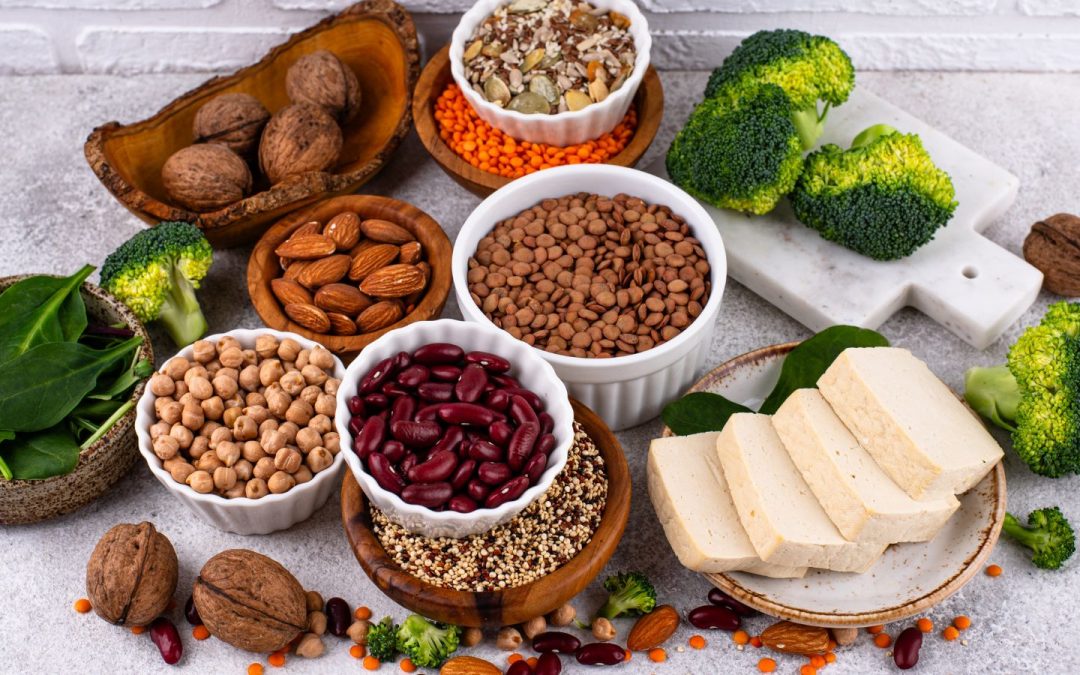
A whole-food plant-based diet reflects this high quality criteria. Whole foods are packed with both soluble and insoluble/fermentable fibre that supports gut health and feeds the gut microbiome. Fresh fruits and vegetables contain a range of antioxidant compounds and phytonutrients, including polyphenols, that support the immune system and help reduce oxidative stress. Protein, often raised as a nutrient of concern on a plant-based diet, is found in all plant foods but specifically beans, legumes, nuts and seeds, all of which provide other micronutrients including minerals like magnesium, iron and zinc plus, of course, fibre.
Research into specific conditions reflects the benefits of a predominantly whole plant food diet including multiple sclerosis,.17 rheumatoid arthritis,18 lupus19 and even inflammatory bowel disease.20 However, many clinicians refrain from providing dietary recommendations, possibly due to lack of knowledge or confidence. Many patients undertake their own research into dietary recommendations via social media or internet searches. This can create confusion and misinformation, highlighting concerns regarding plant-based diets rather than their benefits.
There are still challenges
As with all dietary patterns, attention needs to be paid to specific nutrients in a whole-food plant-based diet. Supplementation with B12 is necessary plus iodine if unavailable elsewhere in the diet. Calcium and iron are often quoted as an issue, however fortification is now common in plant-based milk alternatives. Non-haem iron is readily available in plant foods including leafy greens and legumes; avoiding caffeine at meal times and consuming them with citric or acetic acid can also increase uptake. Non-haem iron can be seen as protective in inflammatory conditions as excess haem iron is known to promote inflammation pathways.21
Dysbiosis itself can create challenges for people with autoimmune disease moving to a whole-food plant-based diet. A sudden increase in fermentable fibre from whole grains, beans and legumes can lead to a range of unwelcome reactions including bloating, flatulence and pain. A gradual increase in fibre intake is therefore recommended alongside a decrease in highly processed foods, refined sugars and animal products. Each patient is different and should be advised to pace themselves accordingly. Measured steps like increasing their fruit and vegetable intake to a minimum of 5 a day, swapping white pasta or rice to whole grain and introducing beans into dishes a spoonful at a time are simple steps that promote a successful transition.
Cost can also be seen as a barrier. Fresh fruit and vegetables can be more costly than ultra-processed foods and are often unavailable in lower socioeconomic areas.22 However, many whole plant foods like beans and legumes are cheaper than many food sources including meat. Education about how to create affordable meals is essential to support these patients as well as supporting them to access affordable produce. Cooking from scratch can also be energy intensive, both with regards to fuel costs and personal energy when fatigue is a major symptom of the condition. Support and advice from peers and professionals is important.
Supporting positive outcomes
A diagnosis of autoimmune disease is for life. Remission, reduction of symptoms and disability are key to living well for these patients. The effects of changing to a whole-food plant-based diet can be experienced within a few months, although for many, improvements may take longer. Providing a range of nutrients through colourful whole plant food that help to calm the immune response, support repair of the gut lining, rebalance the microbiome and promote production of helpful metabolites are all key benefits of eating this healthy, sustainable dietary pattern.
References:
- Conrad, N. et al (2023). Incidence, prevalence and co-occurrence of autoimmune disorders over time and by age, sex and socioeconomic status: a population=based cohort study of 22 million individuals in the UK. The Lancet, 401 (10391): 1879-1890
- British Heart Foundation. https://www.bhf.org.uk/what-we-do/news-from-the-bhf/contact-the-press-office/facts-and-figures. Accessed 8/4/26
- Diabetes UK. https://www.diabetes.org.uk/about-us/about-the-charity/our-strategy/statistics. Accessed 8/4/26
- Autoimmune Association. https://autoimmune.org/disease-information/ Accessed 8/4/26
- Vojdani A, Pollard KM, Campbell AW. Environmental triggers and autoimmunity. Autoimmune Dis. 2014;2014:798029.
- Angum F, Khan T, Kaler J, Siddiqui L, Hussain A. The Prevalence of Autoimmune Disorders in Women: A Narrative Review. Cureus. 2020 May 13;12(5):e8094
- Furman, D. et al. 2019. Chronic inflammation in the etiology of disease across the life span. Nature Medicine; 25:1822-1832.
- Santos-Moreno P, et al. Inflammaging as a link between autoimmunity and cardiovascular disease: the case of rheumatoid arthritis. RMD Open. 2021;7:e001470.
- Kwiat VR, et. Autoimmunity as a sequela to obesity and systemic inflammation. Front Physiol. 2022 Nov 21;13:887702.
- Manzel A, et al. Role of “Western diet” in inflammatory autoimmune diseases. Curr Allergy Asthma Rep. 2014 Jan;14(1):404.
- Spiller AL, et al. Ultra-Processed Foods, Gut Microbiota, and Inflammatory Bowel Disease: A Critical Review of Emerging Evidence. Nutrients. 2025 Aug 19;17(16):2677.
- De Luca F, Shoenfeld Y. The microbiome in autoimmune diseases. Clin Exp Immunol. 2019 Jan;195(1):74-85.
- Vojdani, A, Gushgari, L. Vojdani, E. Interaction between food antigens and the immune system: Association with autoimmune disorders. Autoimmunity Reviews. 2020. Volume 19: 102459
- Delrue C, Speeckaert R, Delanghe JR, Speeckaert MM. The Potential Influence of Advanced Glycation End Products and (s)RAGE in Rheumatic Diseases. Int J Mol Sci. 2023 Feb 2;24(3):2894.
- Golpour, F. et al. Short chain fatty acids, a possible treatment option for autoimmune diseases, Biomedicine & Pharmacotherapy, 2023. Volume 163: 114763
- Lerner, A. et al. Gluten-free diet can ameliorate the symptoms of non-celiac autoimmune diseases. Nutrition Reviews 2022: 80(3): 525-543.
- Harirchian MH, Karimi E, Bitarafan S. Diet and disease-related outcomes in multiple sclerosis: A systematic review of clinical trials. Curr J Neurol. 2022 Jan 5;21(1):52-63.
- Wagenaar CA, et al. Long-term effectiveness of a lifestyle intervention for rheumatoid arthritis and osteoarthritis: 1-year follow-up of the ‘Plants for Joints’ randomised clinical trial. RMD Open. 2024 Feb 27;10(1):e004025.
- Knippenberg A, et al. Plant-based dietary changes may improve symptoms in patients with systemic lupus erythematosus. Lupus. 2022 Jan;31(1):65-76.
- Z.Jin, T.Zhou, K.Ye, et al. Healthy Plant-Based Diet Is Associated With a Reduced Risk of Inflammatory Bowel Disease: A Large-Scale Prospective Analysis. Molecular Nutrition & Food Research69, no. 19 (2025): e70151.
- Hooda J, Shah A, Zhang L. Heme, an essential nutrient from dietary proteins, critically impacts diverse physiological and pathological processes. Nutrients. 2014 Mar 13;6(3):1080-102
- https://foodfoundation.org.uk/press-release/new-data-shows-one-seven-households-children-struggling-afford-food . Accessed 9/4/26


Very educational read. The explanation of dysbiosis, gut microbiome health, and inflammatory foods was presented in a simple yet research-backed way. Lifestyle and nutrition-based approaches are becoming increasingly important for long-term wellness management, and content like this helps create much-needed awareness. Looking forward to reading more articles like this.