
£25
6.5 hours
Artificial Intelligence (AI) in Nutrition and Dietetics
Opportunities, Challenges, and Future Perspectives
Wednesday 17 June 2026, 10:00 – 16:30 BST
6.5 hours CPD
Please note: NHS and HSE’s firewalls can sometimes block access to the live event, the recording and also registration confirmation receipt, so please make other arrangements if possible
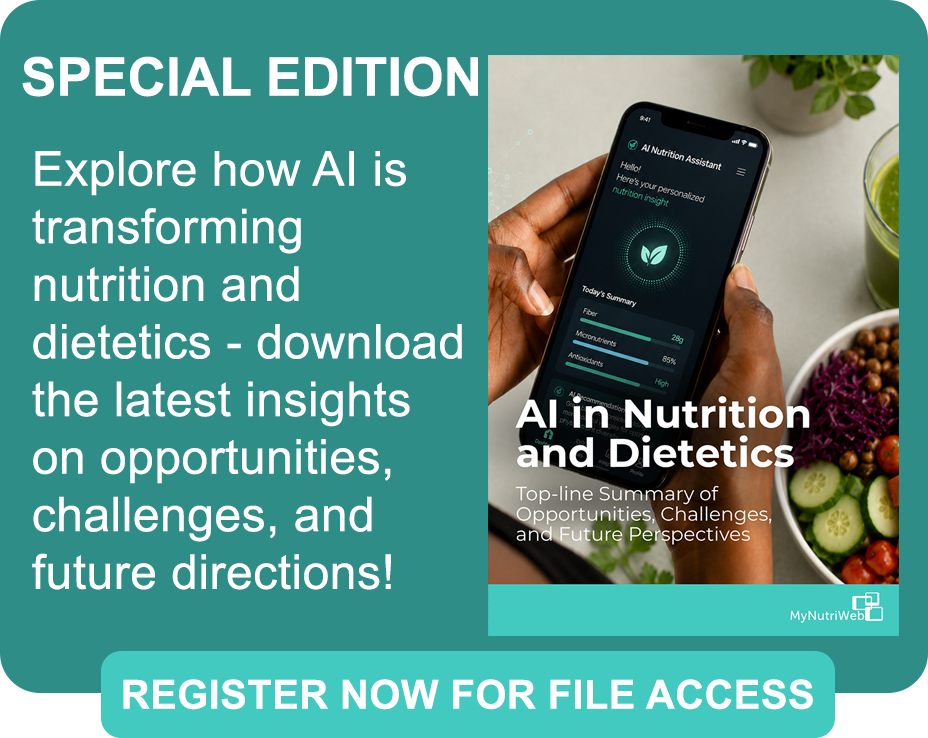
Artificial Intelligence (AI) in Nutrition and Dietetics
Opportunities, Challenges, and Future Perspectives
Wednesday 17 June 2026, 10:00 – 16:30 BST
6.5 hours CPD
Please note: NHS and HSE’s firewalls can sometimes block access to the live event, the recording and also registration confirmation receipt, so please make other arrangements if possible
£25
6.5 hours
OPEN TO ALL HEALTH PROFESSIONALS, TUTORS AND STUDENTS
LEARNING OBJECTIVES:
WATCH THIS SYMPOSIUM TO:
GAIN A CLEAR UNDERSTANDING OF:
- The role of AI in transforming nutrition and dietetics practice
- Key concepts such as nutritional intelligence and data-driven decision-making
- Current applications of AI across clinical care, public health, and the food system
- The strengths and limitations of AI-powered nutrition tools
- The importance of data quality, validation, and expert input
BE AWARE OF:
- Ethical considerations, including data privacy, bias, and transparency
- The challenges of integrating AI into clinical and community practice
- The risk of over-reliance on automated tools without appropriate professional
oversight - Workforce implications, including changing roles and required competencies
- Communication challenges when discussing AI with patients and the public
BE ABLE TO:
- Critically evaluate AI tools and applications in nutrition and dietetics
- Identify appropriate and safe use cases for AI in different practice settings
- Integrate AI-supported insights into evidence-based, person-centred care
- Communicate confidently about the role of AI with patients, colleagues, and
stakeholders - Recognise opportunities to engage with and shape the future of AI in nutrition practice
CHAIR:
• Tanya Haffner Registered Dietitian, CEO and founder of the MyNutriWeb food and nutrition education hub, Chair of the BDA Sustainable Diets Committee
MODERATOR:
• Marta Buczkowska Registered Dietitian at MyNutriWeb
Chair’s introduction
Tanya Haffner
Registered Dietitian, CEO and founder of the MyNutriWeb food and nutrition education hub, Chair of the BDA Sustainable Diets Committee


Tanya Haffner's biography
Marta Buczkowska 's biography
Artificial Intelligence in Nutrition in Dietetics 101
Recording Timestamp: 00:12:40
Digital transformation in the NHS
Prabha Vijayakumar
Chief Allied Health Professions Information Officer at NHS England at Technology, Digital and Data Directorate, registered Occupational Therapist
Prabha Vijayakumar’s biography
Prabha Vijayakumar is the Chief Allied Health Professions Information Officer at NHS England and a registered Occupational Therapist, with over 25 years of senior leadership experience across clinical practice, system leadership, and national digital transformation. She is widely recognised for her work at the intersection of clinical insight, digital innovation, artificial intelligence, and health equity, and for championing the role of Allied Health Professions (AHPs) in shaping the future of healthcare. In her national inaugural role, Prabha provides strategic leadership for AHP digital and informatics transformation, ensuring AHP voices are embedded within mainstream clinical informatics and AI-enabled programmes. She led the first national Allied Health Professions Digital Maturity Assessment, establishing a post-pandemic, England-wide baseline of digital capability, aligned to the NHS Long Term Workforce Plan and the three strategic shifts, and highlighting key gaps in capability, leadership, investment, and representation.
Session outlines and learning objectives
Digital technologies and AI are already transforming the job market and the way we work – and healthcare is no exception. The National Health Service (NHS) must keep pace with these changes and continue adapting to emerging technologies. This session will provide a national perspective on the current state of digital implementation across the NHS, covering the use of digital data and AI tools, key legal considerations, and the growing importance of digital maturity and literacy among Allied Health Professionals (AHPs).
Watch this session to:
GAIN CLEAR UNDERSTANDING OF:
- The current landscape of digital implementation across the NHS, including the use of digital data and AI tools
- The importance of digital maturity and digital literacy for AHPs across the NHS
BE AWARE OF:
- The key legal, ethical, and governance considerations surrounding the use of digital data and AI within the NHS
- The national priorities and strategic direction for digital transformation in the NHS
BE ABLE TO:
- Identify ways digital tools and AI can support clinical practice, service delivery, and patient care
- Reflect on personal and professional digital literacy needs within the context of evolving healthcare technologies

Recording Timestamp: 00:32:30
Foundations of AI in nutrition and dietetics
Oliver Canfell
Lecturer in Nutritional Sciences at King’s College London
Oliver Canfell’s biography
Session outlines and learning objectives
Watch this session to:
GAIN CLEAR UNDERSTANDING OF:
- Definitions of artificial intelligence and its key subsets, including machine learning, deep learning, and generative AI
BE AWARE OF:
- Differences between AI and other digital health technologies
- Evidence for AI in nutrition and dietetics practice
- Risks and concerns of AI
BE ABLE TO:
- Define AI and its key subsets
- Apply AI concepts to nutrition and dietetics
- Apply risks and concerns of AI to nutrition and dietetics

Recording Timestamp: 01:42:10
Digital Food Environments – Emerging Challenges for Nutrition Policy & Practice
Lewis Wallis
Postgraduate Researcher (University of Leeds), Regulatory & Nutrition Affairs Advisor (Campden BRI)
Lewis Wallis’s biography
Session outlines and learning objectives
Watch this session to:
GAIN CLEAR UNDERSTANDING OF:
-
The concept and expanding scope of digital food environments
-
Examples of features that have the potential to influence consumer food choices
-
The emerging role of nutrition policy in digital settings to enable healthier and more sustainable food choices
BE AWARE OF:
-
Emerging challenges and gaps in nutrition policy and regulation within digital food environments
-
Opportunities and risks associated with digital technologies for population health
-
The range of stakeholders involved in digital food environments
BE ABLE TO:
-
Identify digital food environments and influential features that may influence consumer choice
-
Discuss the implications of digital food environments for nutrition policy, research and practice
-
Critically reflect on how digitalisation may shape future approaches to healthier and more sustainable diets

Recording Timestamp: 02:10:40
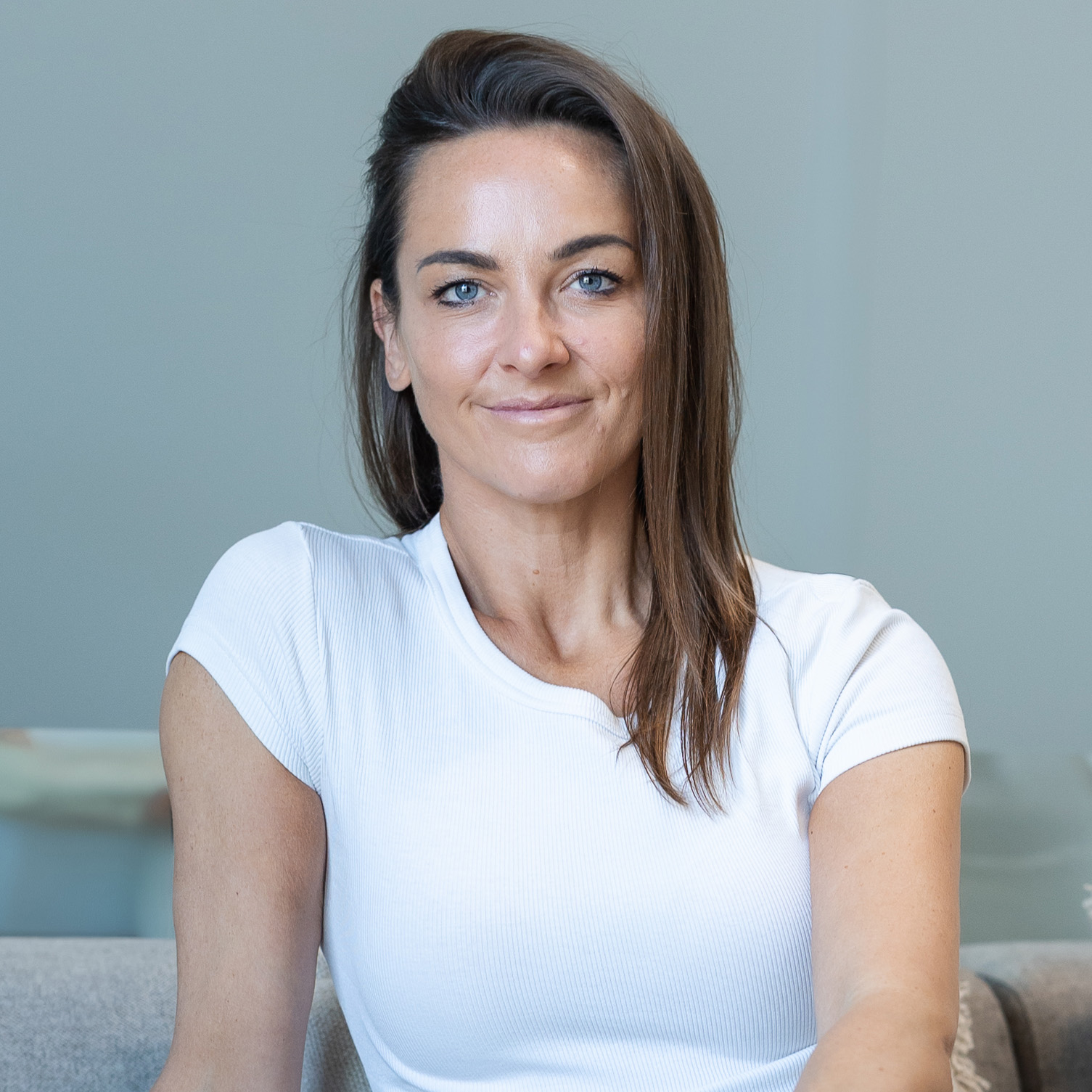
Nutritional Intelligence in the food systems – the role of data and AI in shaping our food choices
Danielle McCarthy
Chief Health Officer at Spoon Guru, Co-Founder & Director at Nutrition Talent and Honorary Professor of Practice at Queen’s University Belfast
Danielle McCarthy’s biography
Danielle is a Registered Nutritionist with a PhD in Diet & metabolic health. She has experience spanning academia, food retail, manufacture, pharma and digital health. She has led large-scale health strategy development and delivery, innovation and research programmes across sectors, and currently serves as Chief Health Officer at Spoon Guru, Co-Founder and Director at Nutrition Talent and is an Honorary Professor of Practice at Queen’s University Belfast.
Session outlines and learning objectives
Algorithms and artificial intelligence (AI) are increasingly being embedded across a rapidly developing digital landscape with integration increasing across food and health systems. This offers potential to transform how nutrition knowledge is generated, analysed and applied. This presentation will provide an on update on critical considerations in this rapidly evolving landscape. It will introduce the concept of nutrition intelligence, using applied examples of current and emerging practice and consider the opportunities and challenges these changes represent.
Watch this session to:
GAIN CLEAR UNDERSTANDING OF:
- Current and emerging applications of AI in nutrition and the food system
BE AWARE OF:
- The concept of nutrition intelligence
BE ABLE TO:
- Define the concept of nutritional intelligence (NI)
- Reflect on role and implication of NI for nutrition professionals
Recording Timestamp: 02:42:45
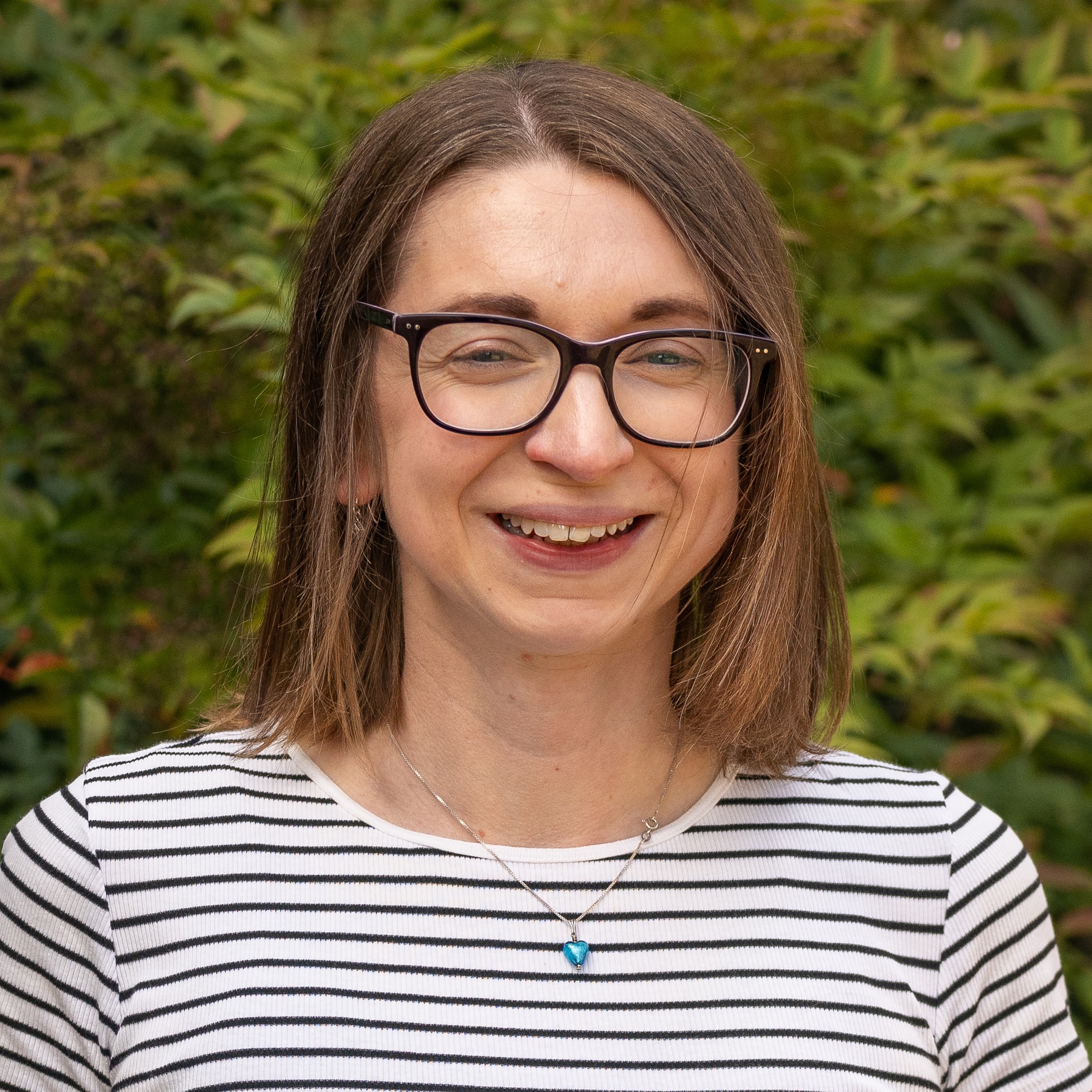
How can AI-powered apps revolutionise health and nutritional care?
Ro Huntriss
Registered Dietitian, Chief Nutrition Officer at Simple Life App
Ro Huntriss’s biography
Session outlines and learning objectives
This session will explore how AI is already being used within health-promoting apps, sharing the functionalities, innovations in practice, effectiveness and also some of the limitations it poses.
Attendees will come away from the session with a clearer understanding of how AI-powered apps can improve lifestyle behaviors, patient engagement, and support better health outcomes in practice.
Watch this session to:
GAIN CLEAR UNDERSTANDING OF:
-
How AI-powered health and nutrition apps currently work in practice
-
The role of AI in behaviour change, personalisation, and patient engagement
-
Opportunities and challenges of integrating AI into health and nutrition apps
BE AWARE OF:
-
Ethical, safety, and data privacy considerations surrounding AI in healthcare
-
The limitations and potential risks of AI-generated health advice
-
Emerging trends shaping the future of digital health and nutrition care
BE ABLE TO:
-
Recall uses of AI in health and nutrition apps
-
Identify where AI tools may enhance patient support and outcomes
-
Apply practical insights from digital health innovation to their own professional practice
Recording Timestamp: 03:25:00
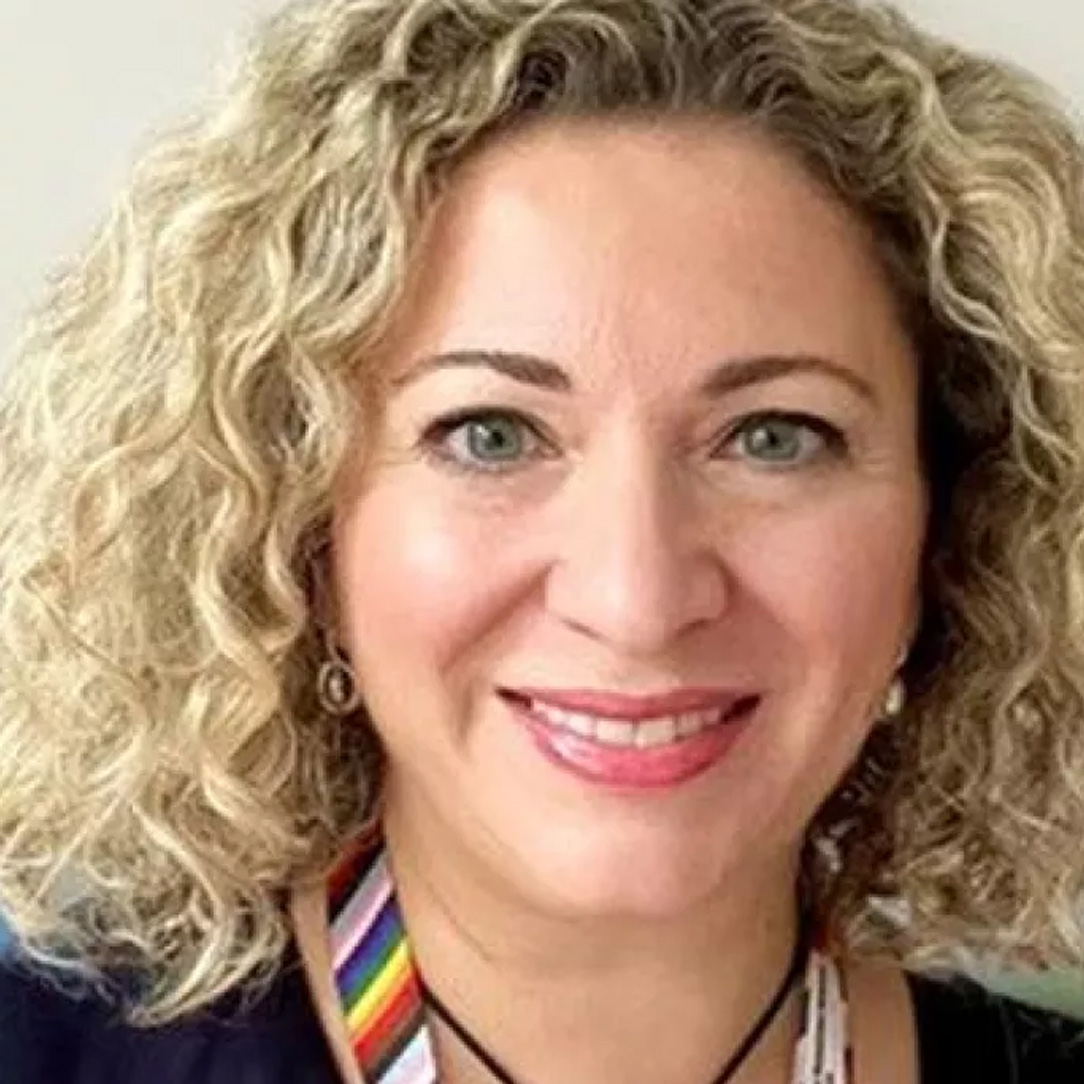
Utilising AI to enhance patient outcomes and augment (not replace!) clinical workforce skills
Juliet Finnie
Clinical Expert Dietitian, Oviva
Juliet Finnie’s biography
Juliet Finnie is a Registered Dietitian with 15+ years of clinical experience across the NHS and Oviva. As Oviva’s Clinical Expert for both the specialist weight management pathway and the AI companion development she works to enhance patient outcomes and make high-quality care accessible to all.
Session outlines and learning objectives
How can AI tools be used to enhance patient engagement, retention and clinical outcomes? We’ll explore how to do this in a way that enhances and augments the skills of a nutrition team rather than replacing valuable clinical resources. We’ll consider how clinical teams and AI can work together to create a seamless patient journey.
Watch this session to:
GAIN CLEAR UNDERSTANDING OF:
-
How AI tools can support patients ‘in the moment’ between clinical contacts and optimise engagement and retention
- How clinical teams can work together with AI tools to collaboratively support and engage with patient
BE AWARE OF:
-
A variety of ways in which AI tools can engage with patients
-
The potential risks associated with AI overlap with clinical work
-
Opportunities to augment clinical practice via AI
BE ABLE TO:
-
See relevant use cases for AI and clinical team collaboration
-
Plan how to measure clinical outcomes associated with AI tool use
Recording Timestamp: 03:54:40
Misinformation in diet and nutrition in the age of AI
*Please note this session is prerecorded
Anastasia Kalea
Academic Programme Lead for the MSc in Obesity and Clinical Nutrition at University College London
Anastasia Kalea’s biography
Professor Anastasia Z. Kalea is a Professor (Teaching) and Academic Programme Lead at UCL, and a Registered Dietitian with over 20 years of international experience bridging molecular nutrition and public health to address obesity, weight stigma and cardiometabolic disease. Her current interests focus on leveraging new technologies and AI tools to detect online dietary misinformation, transform medical education and research as well as to mitigate public health inequalities for healthier, more equitable communities.
Session outlines and learning objectives
This session explores how AI can be used to detect and assess harmful nutrition misinformation online. Focusing on UCL’s Diet-Nutrition Misinformation Risk Assessment Tool (Diet-MisRAT), the talk will demonstrate how AI can move beyond simple fact-checking to evaluate the potential real-world harm of misleading nutrition advice. It will also discuss opportunities, ethical considerations, and the future role of AI in creating safer digital health information environments.
Watch this session to:
GAIN CLEAR UNDERSTANDING OF:
-
How AI can be applied to detect and assess nutrition misinformation online
-
The purpose and functionality of UCL’s Diet-Nutrition Misinformation Risk Assessment Tool (Diet-MisRAT)
BE AWARE OF:
- The potential real-world harms associated with misleading nutrition information online
- The ethical considerations and challenges involved in using AI for health misinformation assessmenton of weight regai
BE ABLE TO:
- Explain how AI can move beyond traditional fact-checking to evaluate misinformation risk and harm
- Identify future opportunities for AI to support safer digital health information environments
Recording Timestamp: 04:29:25
Using AI and Digital Tools in Nutrition and Dietetic Education & Training
Ellie Coles
Dietitian & co-founder of Simhealth
Ellie Coles’s biography
Session outlines and learning objectives
Watch this session to:
GAIN CLEAR UNDERSTANDING OF:
- Why embedding AI and digital tools into nutrition and dietetic education is essential for preparing students and trainees for the evolving demands of modern clinical practice.
BE AWARE OF:
- How AI-powered simulation can provide safe, consistent, and scalable learning experiences that complement (not replace) existing education and training provision.
BE ABLE TO:
- To be able to identify practical ways to incorporate AI and digital tools into teaching and training, drawing on real-world examples from dietetic education and practice.

Recording Timestamp: 05:03:30
Prompts + Purpose: Effective GenAI Use + the Evolving Role of the Dietitian
*Please note this session is prerecorded
Drew Hemler
Drew Hemler, MSc, RD, CDN, FAND, Registered Dietitian, Consultant, Speaker and Practice Consultant, Nutrition by Drew, PLLC / TELUS Health / Microsoft Canada / Buffalo State University
Drew Hemler’s biography
Session outlines and learning objectives
Watch this session to:
GAIN CLEAR UNDERSTANDING OF:
- hat a GenAI prompt is and why structure matters for output quality and safety.
- Core elements of stronger prompts and review criteria.
- How AI is beginning to influence dietetic roles across communication, education, management, leadership, research and client/community support.
BE AWARE OF:
- Common risks in GenAI outputs.
- Why tool choice, data control, human review and professional accountability matter.
- The limits of AI-generated content when clinical reasoning, ethical judgment, cultural relevance or individualized care are required.
BE ABLE TO:
- Improve a weak prompt by adding clearer instructions, context, boundaries and review criteria.
- Apply a practical guide when using and discussing AI with oneself, patients, clients, colleagues, and communities.
- Discuss the focuses of the RD in the age of AI, across comms, management, leadership, and research.
Please note: NHS and HSE’s firewalls can sometimes block access to the live event, the recording and also registration confirmation receipt, so please make other arrangements if possible
CPD CERTIFICATE & LEARNING MATERIALS
This symposium has been approved for CPD by the AfN
CPD certificates will be issued based on length of total time attended
• All the sessions look into the varied and nuanced aspects of AI in nutrition and dietetics work, from what it is to how to use it individually to how to use it on amass scale.
• The widespread integration of AI into health and wellness is important to know more about, so that we can continue to deliver accurate and timely information with the tools available.
Webinar slides and links to other key resources will be sent within two weeks of viewing the symposium, along with a separate personalised CPD certificate to save for your files. Add hello@mynutriweb.com to your safe senders to ensure you receive them.
This webinar is kindly supported by SimHealth

SimHealth is a UK-based EdTech company providing AI-powered simulation specifically designed for dietetic education and training. Working with universities and NHS trusts, SimHealth gives dietetic students a safe, controlled environment in which to develop and practise their consultation skills before entering real clinical settings. Students can interact with simulated patients, practise writing in medical notes, engage with the wider MDT – all building the practical skills and confidence that traditional teaching alone cannot consistently provide at scale. By combining the power of AI with the specific demands of dietetic practice, SimHealth is helping to bridge the gap between university learning and clinical reality allowing students to prepare for future placements & practice.
Please note, approval of each sponsor and activity is carefully assessed for suitability on a case by case basis. Sponsorship does not imply any endorsement of the brand by MyNutriWeb, its organisers, its moderators or any participating healthcare professional, or their association. Sponsorship funds are reinvested into the creation and promotion of professional development opportunities on MyNutriWeb.
Popular Now

Nutrition for skin health: practical tips for tricky questions
Natalie Yerlett: The Gut: Skin Axis

Low and no calorie sweeteners: your questions answered
Feature in a Webinar
Webinar guest experts encompass topics relevant to all professionals and change agents in food and health, across all health and business sectors.
Would you like to feature in a webinar, or propose a guest expert?
Sponsor a webinar
MyNutriWeb offers organisations and brands an opportunity to sponsor topics, gaining valuable insights into the viewpoints of professionals within a moderated environment. If there is a topic that you would like to support please get in touch to discuss.
