
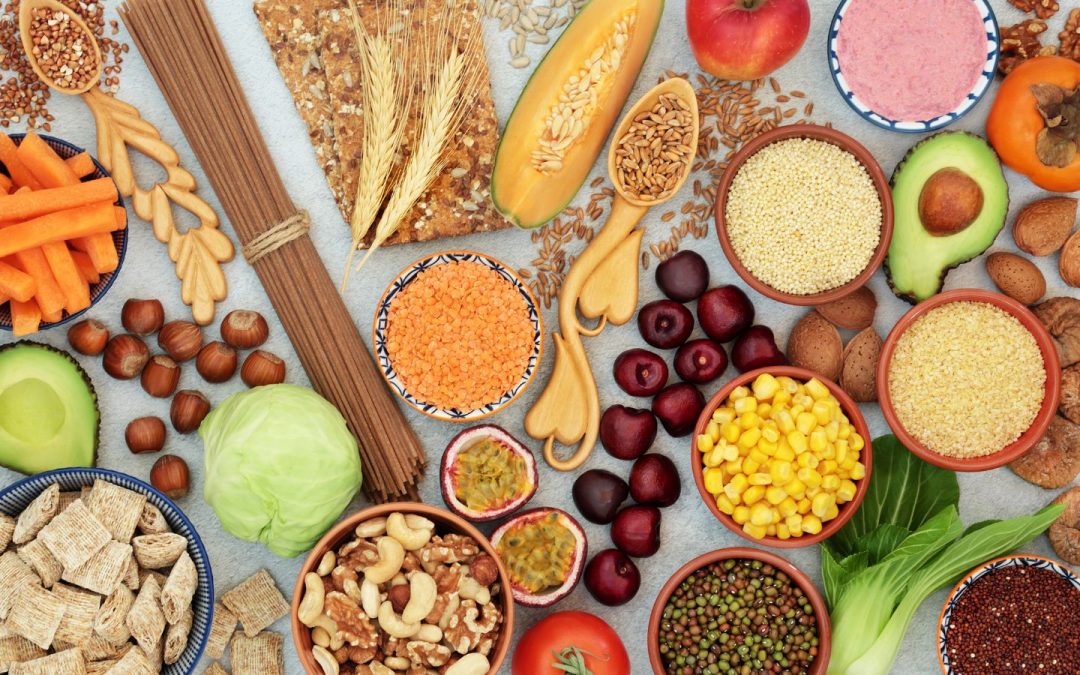
Fibremaxxing is a growing nutrition trend focused on increasing fibre intake through foods such as vegetables, fruit, wholegrains, pulses, nuts and seeds. While the name may be new, the concept is not – it is essentially about eating more plant foods and making simple additions to everyday meals to boost fibre intake. This is particularly relevant given that most people in the UK are not getting enough fibre. The recommended intake is 30g per day, yet only 4% of adults currently meet this target. As awareness of the importance of gut health continues to grow, fibremaxxing offers a practical and evidence-based approach to improving diet quality and overall health.1
Fibremaxxing has gained popularity because of its practical approach and wide-ranging benefits. Fibre supports normal digestive health, helps prevent constipation and contributes to a healthy gut microbiome. Higher fibre intakes have also been associated with a lower risk of cardiovascular disease, type 2 diabetes and bowel cancer.
Fibre and Weight Management
Fibre may support weight management by promoting fullness and helping to reduce overall calorie intake as part of a balanced diet. Most of the effects of fibre for weight management and appetite regulation have been associated with soluble fibre helping to slow digestion and contribute to satiety, which may support appetite regulation over time.2
A recent systematic review and meta-analysis of 62 human studies showed that viscous fibre intake affects body weight, body mass index (BMI), and waist circumference independent of an energy-restricted diet.3
Randomized controlled trials have shown reductions in energy intake and body weight, improved satiation and reduced hunger following the consumption of fibre. Prospective cohort studies have found similar results but the extent of weight loss in some studies has been small.4
Some of the proposed mechanisms for the effects of fibre on weight management include:4,5
- Appetite suppression and an increased feeling of satiety. Fermentation of fibre produces short-chain fatty acids that stimulates enteroendocrine cells to secrete GLP-1 and PYY involved in appetite control.
- High-fibre foods tend to be more bulky and require more chewing, which can lead to an improved feeling of satiety
- Gastric distention and delayed gastric emptying, which can promote a feeling of fullness
- Effects on glucose absorption and insulin response, which may help regulate blood glucose responses and appetite.
Fibre and Gut Health
The health benefits of fibre for digestive health have been well documented and in recent years, our growing knowledge about the gut microbiome and its effects on health have led more people to discover practical ways to optimise their fibre intake.
Dietary fibre is the part of plant foods that is not digested or absorbed in the small intestine, but that is fermented in the large intestine. Broadly speaking, fibre can be classified as soluble or insoluble fibre, but it is the viscosity and fermentability of fibres that have implications for health.6
- Insoluble/less fermented fibres: cellulose, hemicellulose, lignin. This is the type of fibre that adds bulk to the stool, to maintain bowel regularity and prevent constipation.
- Soluble/well fermented fibres: pectin, gums and mucilages. These fibres have effects on the gut microbiome, and the by-products of fermentation, such as short-chain fatty acids can influence the balance of bacteria in the gut microbiome, mucilage production and overall digestive function.7
Most fibre-rich foods contain a combination of soluble and insoluble fibres
Fibre and cardiovascular disease
Higher fibre intakes are associated with a reduced risk of cardiovascular disease, type 2 diabetes and bowel cancer. Fibre-rich foods can also help support healthy cholesterol levels, particularly soluble fibres found in foods such as oats, beans and pulses.8
Bowel cancer
Eating more fibre is linked with a lower risk of bowel cancer. Wholegrains, pulses, fruit and vegetables are particularly encouraged as part of a healthy dietary pattern.8
Fibre tolerance
It is advisable to increase fibre intake slowly, especially if the starting point is a low fibre diet, as increasing fibre too quickly can lead to temporary bloating or discomfort. Some forms of soluble fibre can produce gas and bloating as a result of fermentation. It is also important to drink plenty of fluids when increasing fibre intake, as fibre absorbs water and helps support normal bowel function.
For many people, digestive symptoms improve over time as the gut adapts to a higher fibre intake. However, those with conditions such as irritable bowel syndrome (IBS) may need a more individualised approach. Restrictive diets, including poorly planned low FODMAP or low-carbohydrate diets, can sometimes result in lower fibre intakes, so it is important to obtain advice from a healthcare professional on how to slowly increase fibre without triggering symptoms.9
How to Start Fibremaxxing
When it comes to increasing fibre intake, small and consistent changes are often the most sustainable. This is particularly important given that fibre intakes in the UK remain well below recommendations. The latest National Diet and Nutrition Survey found that 96% of adults do not achieve the recommended 30g of fibre per day, with only 4% meeting the target.10
The most recent data from UK household surveys show the mean daily fibre intake is:
- 16.4g for those aged 19 to 64 years
- 16.9g for those aged 65 to 74 years
- 16.4g for those aged 75 years and over
Here are some foods naturally rich in fibre and the approximate amount of fibre per portion size:
- Flaxseed (4.1g per 20g serving) – reference Linwoods
- Chia Seeds (5.7g per 20g portion) – reference Linwoods
- Lentils and chickpeas (6g per half a can) – reference from nutritional value on label
- Brown rice (2.2g per 150g portion)
- 1 kiwi, skin on (1.8g per medium kiwi)
- Porridge oats (3.1g per 40g portion)
- Sweet potato (4g in 1 medium sweet potato)
Read your labels. Foods labelled ‘source of fibre’ and ‘high fibre’ need to contain:
- Source of fibre – 3g of fibre per 100g
- High fibre – 6g of fibre per 100g
How to achieve 30g/fibre per day
It is important to take things slowly when introducing more fibre into your diet as a sudden increase can cause temporary, but unpleasant side effects such as gas, wind and bloating as your gut microbiome adjusts the increase in fibre.
Here is an idea of how to get 30g fibre into your daily diet:11
- Breakfast: 40g jumbo oats (3g) +(5.7g) + 80g raspberries (3g) = 12g approx.
- Lunch: Mixed salad with a cup of broccoli (2g), carrot (3g), apple (1.5g), half a tub of houmous (3.5g) = 10g
- Dinner: Wholewheat pasta bolognese = 8.5g

Are There Any Risks?
Fibre is beneficial, but increasing intake too quickly can cause temporary digestive discomfort, as outlined above. It is important that we emphasis the benefits of fibre in whole plant foods, rather than encourage use of nutritional supplements, as a first step. Whole plant foods provide fibre alongside vitamins, minerals, phytochemicals and other beneficial compounds that are not always present in fibre supplements. Encouraging a varied diet will have positive consequences for overall health and well-being. It’s also important to remember that many of the benefits of fibre come from its ability to dissolve in water, so ensuring adequate hydration is essential. For individualised advice, it’s always best to seek support from a healthcare professional.
For a complete guide to fibremaxxing you can visit the Linwoods website.
To learn more about fibre, including fibre types and recommended intake you can see the complete guide to fibre
Summary
Fibremaxxing is a social media trend that encourages people to increase their fibre intake by eating more plant-based foods such as vegetables, fruit, wholegrains, pulses, nuts and seeds. While the name may be new, the advice is not. Most adults in the UK consume far less than the recommended 30g of fibre per day, despite the many health benefits associated with a fibre-rich diet.
Increasing fibre intake can support digestive health, help maintain feelings of fullness, nourish the gut microbiome and contribute to heart health. Fibre-rich foods have also been linked to a lower risk of type 2 diabetes and bowel cancer. The key to successful fibremaxxing is making small, sustainable changes and increasing fibre gradually while drinking enough fluids to support digestion.
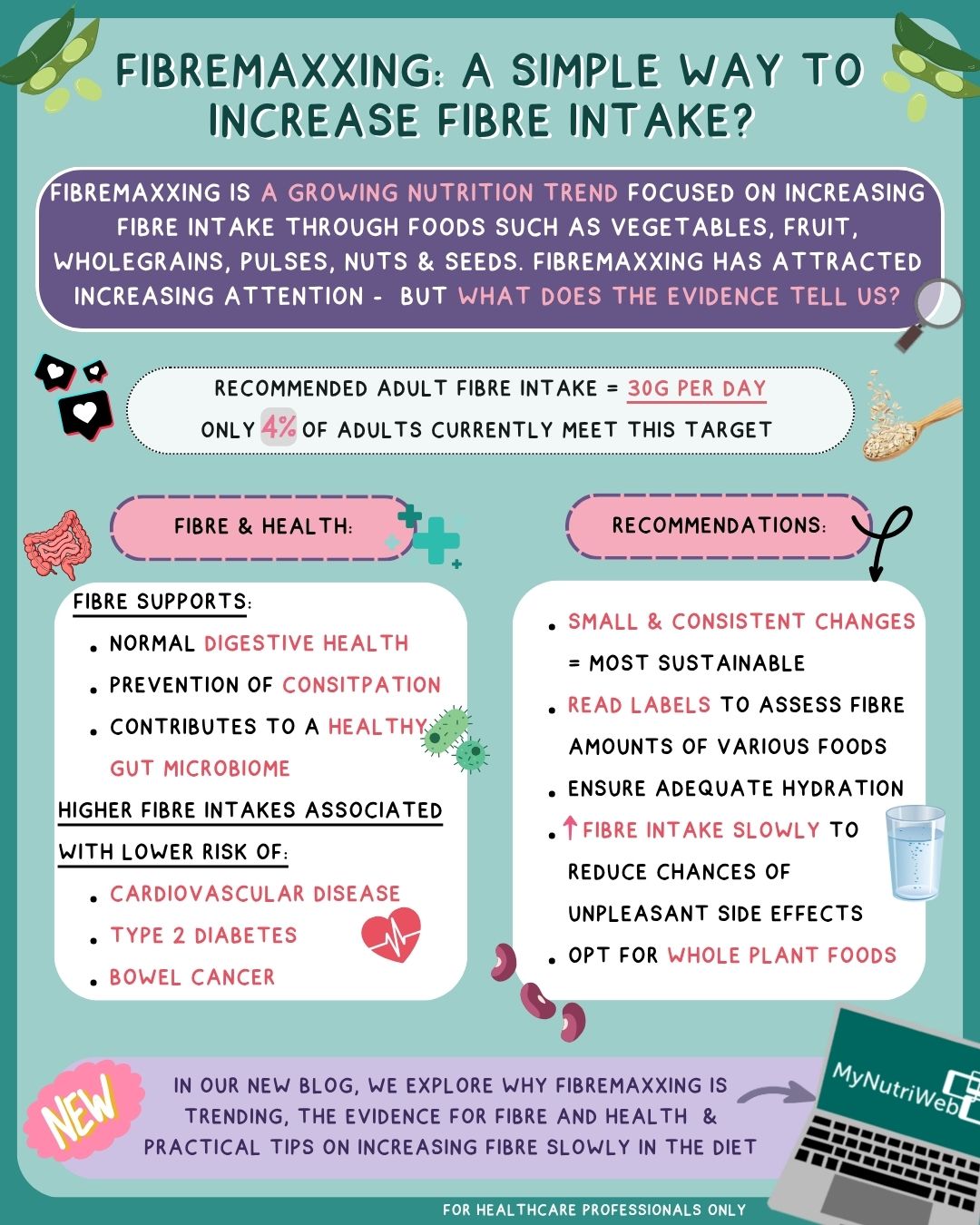
Download the blog infographic:
References
- Cooper H. UK still failing to meet basic dietary guidelines. The Food Foundation. Published July 14, 2025. Accessed June 24, 2026. https://foodfoundation.org.uk/news/uk-still-failing-meet-basic-dietary-guidelines
- Kelly RK, Calhoun J, Hanus A, Payne-Foster P, Stout R, Sherman BW. Increased dietary fiber is associated with weight loss among Full Plate Living program participants. Front Nutr. 2023;10:1110748. doi:10.3389/fnut.2023.1110748
- Jovanovski E, Mazhar N, Komishon A, Khayyat R, Li D, Blanco Mejia S, et al. Can dietary viscous fiber affect body weight independently of an energy-restrictive diet? A systematic review and meta-analysis of randomized controlled trials. Am J Clin Nutr. 2020;111(2):471-485. doi:10.1093/ajcn/nqz292
- Akhlaghi M. The role of dietary fibers in regulating appetite, an overview of mechanisms and weight consequences. Crit Rev Food Sci Nutr. 2024;64(10):3139-3150. doi:10.1080/10408398.2022.2130160
- Barber TM, Kabisch S, Pfeiffer AFH, Weickert MO. The health benefits of dietary fibre. Nutrients. 2020;12(10):3209. doi:10.3390/nu12103209
- Dhingra D, Michael M, Rajput H, Patil RT. Dietary fibre in foods: a review. J Food Sci Technol. 2012;49(3):255-266. doi:10.1007/s13197-011-0365-5
- Makki K, Deehan EC, Walter J, Bäckhed F. The impact of dietary fiber on gut microbiota in host health and disease. Cell Host Microbe. 2018;23(6):705-715. doi:10.1016/j.chom.2018.05.012
- NHS. How to get more fibre into your diet. NHS. Page last reviewed March 2, 2026. Accessed June 24, 2026. https://www.nhs.uk/live-well/eat-well/digestive-health/how-to-get-more-fibre-into-your-diet/
- Guts UK. Fibre. Guts UK. Published February 2025. Accessed June 24, 2026. https://gutscharity.org.uk/advice-and-information/health-and-lifestyle/fibre-information/
- Office for Health Improvement & Disparities. National Diet and Nutrition Survey 2019 to 2023: report. GOV.UK. Published June 11, 2025. Accessed June 24, 2026. https://www.gov.uk/government/statistics/national-diet-and-nutrition-survey-2019-to-2023/national-diet-and-nutrition-survey-2019-to-2023-report
- Bell C. Easy spaghetti Bolognese. BBC Food. Accessed June 24, 2026. https://www.bbc.co.uk/food/recipes/easy_spaghetti_bolognese_93639


