
During Cancer Prevention Action Week (15–21 June 2026), World Cancer Research Fund is shining a spotlight on health misinformation, under the theme Science not Fiction – Evidence Saves Lives.
By Rachel Clark, Health Promotion Consultant, World Cancer Research Fund
Health information is everywhere. While much of it can be helpful, it is often over-simplified or taken out of context. When that happens, it becomes harder to know what to trust. This is concerning, as misleading information can divert attention from what we know really helps reduce cancer risk.
Supplements are one of the biggest areas of confusion we see in practice. People often assume they’re protective, harmless, or even essential for good health.
In fact, a recent YouGov survey commissioned for Cancer Prevention Action Week found that 44% of NHS patient-facing staff hear nutrition or supplement misinformation every week, rising to more than half of nurses and midwives.
The survey also showed that around one in three healthcare professionals are not confident finding reliable evidence on supplements and cancer prevention.
What are supplements?
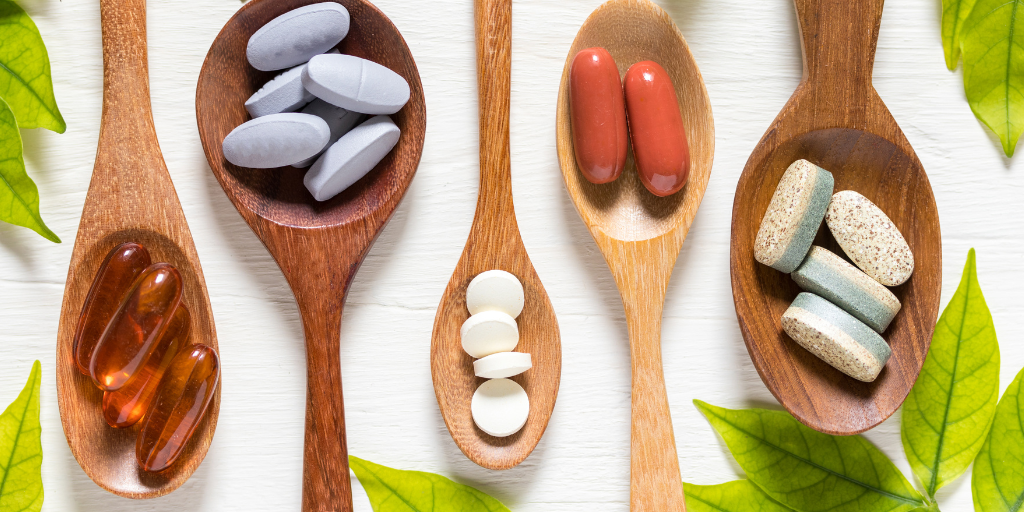
Supplements are products that contain added nutrients, such as vitamins or minerals. People take them alongside their usual diet. They can be taken in forms like tablets, capsules, liquids, powders, or gummies.
Dietary supplements usually refer to vitamins or minerals which can also be found in foods. However, they may include other components of foods, such as:
- natural plant chemicals like polyphenols
- lycopene found in tomatoes
- herbs and plant materials such as ginseng, garlic and green tea
Dietary supplements are often in doses that are a lot higher than what can be absorbed from foods in a typical diet.
One in five UK adults spend more than £10 a month on supplements
Supplement use in the UK is common, but what’s especially important to consider are the beliefs that sit behind it.
People who use supplements are not usually those with the poorest diets. In many cases, they’re already health-conscious and actively trying to optimise their health.
That can reinforce the perception that supplements are inherently protective or part of evidence-based cancer prevention, even though the evidence does not support that for the general population.
Survey data showed that around one in five UK adults spend more than £10 a month on supplements, and more than 1 in 10 wrongly believe supplements can reduce cancer risk. We also saw a clear social media effect, with higher belief in supplements for cancer prevention among people who mainly get their news from social media. Much of this supplement use is self-directed rather than clinically advised, which makes evidence-based conversations with patients especially important.
An unregulated market
Supplements are often sold in pharmacies and health stores, so they appear medical or evidence based. But legally, in the UK, they are regulated as foods rather than medicines. That means manufacturers do not have to prove that supplements prevent cancer or improve long-term health outcomes before selling them.
Safety assessments are largely based on permitted upper intake levels, rather than evidence for long-term cancer prevention.
At the same time, marketing frequently uses language like “natural”, “immune-supporting”, or “protective”, which can create a strong perception of benefit even when the evidence is limited.
So, people can easily interpret availability and marketing as proof of effectiveness, when that is not necessarily the case.
What does the science say about supplements and cancer prevention?
We recommend that people do not use supplements for cancer prevention.
When it comes to cancer prevention, for most people, eating a healthy, balanced diet is more likely to help protect against cancer than taking dietary supplements. This recommendation applies to the general healthy population and across supplement types and doses.
Evidence shows that there is no strong evidence that most dietary supplements, including multivitamins, reduce cancer risk. The one exception is calcium, for which there is strong evidence of a link to a reduced risk of bowel (colorectal) cancer. However, even in this case, we recommend meeting calcium needs through diet rather than supplements, as foods that contain calcium also provide a range of other beneficial nutrients that support overall health.
In fact, high doses of some supplements can be harmful. Our research found that high-dose beta-carotene supplementation increased lung cancer risk and mortality in current and former smokers, and the evidence here is strong enough to support causation.
That does not mean supplements never have a clinical role. There are situations where supplementation may be appropriate or necessary, including specific life stages, medical conditions, deficiencies, or treatment-related needs. But those are targeted clinical interventions, not evidence for supplements as a general cancer prevention strategy.
We would advise people to check with their GP before starting any new supplements to check for underlying health conditions, deficiencies, and harmful drug interactions.
Common misconceptions
Vitamin D
We often get asked if low levels of vitamin D (a deficiency) can increase the risk of developing cancer, particularly breast and prostate cancer.
Currently, there isn’t any strong evidence that low levels of vitamin D increase the risk of developing any type of cancer. And there’s no evidence to support taking vitamin D supplements to reduce cancer risk.
However, the NHS recommend that all babies under one year of age need 8.5-10 micrograms of Vitamin D in vitamin drops per day and that children aged 6 months to 5 years take vitamin supplements containing D every day. Adults are also advised to take 10 micrograms of Vitamin D per day during autumn and winter months. Some groups, including those who are not able to go outside often or who cover their skin when outside, and people with darker skin are recommended to consider taking vitamin D all year round.
Vitamin D supplementation may also be necessary for people having hormone therapy for prostate or breast cancer because of the risk of bone thinning. People receiving these treatments should follow the advice of their oncology team.
Antioxidants
Many supplements are antioxidants or have antioxidant properties. People may use antioxidant supplements in the hope they will prevent cell damage. Examples of antioxidants include coenzyme Q10, turmeric/curcumin, wheatgrass, and spirulina. While a diet rich in natural antioxidants from whole foods is highly beneficial, high-dose isolated supplements can behave unpredictably. There is no strong evidence that antioxidant supplements reduce the risk of developing cancer.
During cancer treatment, some antioxidant supplements may interfere with the effectiveness of chemotherapy or radiotherapy, which is why patients are generally advised to avoid antioxidant supplements unless specifically recommended by their clinical team.
Some antioxidant supplements may affect blood clotting or interact with anticoagulant and antiplatelet medications. For example, high-dose turmeric/curcumin supplements may increase bleeding risk, while CoQ10 may interfere with the action of warfarin. Therefore, people taking blood-thinning medications or those with medical conditions should consult a healthcare professional before starting these supplements.
Multivitamins
Another common misconception is that multivitamins can reduce the risk of cancer. However, there is no reliable evidence for this.
A multivitamin does not contain all the beneficial substances found in whole foods which provide a complex mix of natural vitamins, minerals, and fibre that work together synergistically—something a multivitamin supplement cannot replicate. They are not a substitute for a balanced diet and healthy lifestyle pattern.
If someone is struggling to eat a balanced diet, then they should see a health professional for advice.
What does reduce the risk of cancer?
Experts now believe that up to 40% of cancer cases are preventable. At World Cancer Research Fund, our cancer prevention guidance is grounded in decades of global research into diet, weight, physical activity and cancer.
We bring together the best available evidence to help people make informed choices – without hype or false promises.
Healthy dietary patterns, such as sustainable plant-based diets which prioritise vegetables, fruits, whole grains, legumes, nuts, and seeds, continue to show more consistent associations with cancer prevention than isolated supplements.
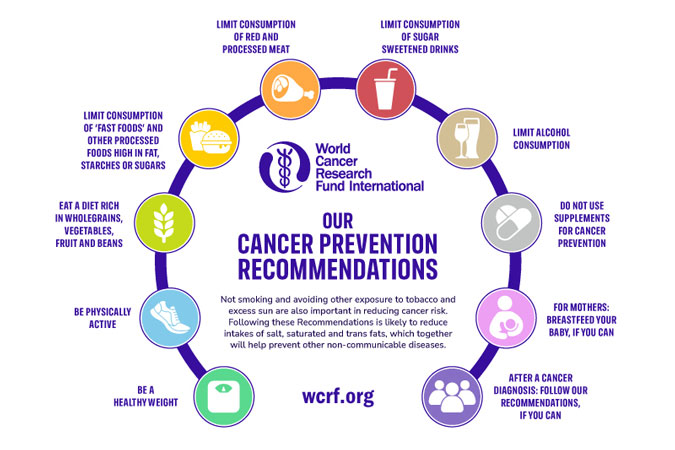
- Be a healthy weight
- Be physically active
- Eat wholegrains, vegetables, fruit and beans
- Limit ‘fast foods’
- Limit red and processed meat
- Limit sugar sweetened drinks
- Limit alcohol consumption
- Do not use supplements for cancer prevention
- For mothers: breastfeed your baby, if you can
- After a cancer diagnosis, follow our Recommendations, if you can
Not smoking, and staying safe in the sun, are also important to reduce your cancer risk.
Want to learn more? Watch WCRF’s free webinar: Supplements versus food
In support of Cancer Prevention Action Week, WCRF’s webinar unpacks science fact from fiction in regard to the latest evidence on supplements and cancer prevention. It helps health professionals understand where supplements may cause harm, where evidence is lacking, and how to confidently communicate a ‘food-first’ approach while recognising when supplements are clinically appropriate. Watch on demand now.
You may also be interested in:


