
£25
6 hours
Action on Sustainability in Nutrition and Dietetics
A NEW Frontier: from science to practice – achieving nutrition, health and Net Zero + targets together
Wednesday 22 April 2026, 10:00 – 17:00 BST
6 hours CPD
Action on Sustainability in Nutrition and Dietetics
A NEW Frontier: from science to practice – achieving nutrition, health and Net Zero + targets together
Wednesday 22 April 2026, 10:00 – 17:00 BST
6 hours CPD
£25
6 hours
OPEN TO ALL HEALTH PROFESSIONALS, TUTORS AND STUDENTS
Sustainability in nutrition is now central to delivering high-quality healthcare – supporting population health while helping to tackle climate change and environmental degradation. From clinical care and community practice to hospital catering and supply chains, dietitians and nutrition professionals play a vital role in aligning nutrition, health, and Net Zero goals. However, there are limited opportunities for healthcare professionals to explore the latest science, practical strategies, policy developments, and access real-world case studies needed to confidently translate sustainability in nutrition into everyday practice.
LEARNING OBJECTIVES:
WATCH THIS SYMPOSIUM TO:
GAIN A CLEAR UNDERSTANDING OF:
- The evidence linking food systems, dietary patterns, population health, and environmental sustainability
- The characteristics and evidence behind sustainable and plant-rich dietary patterns
- The policy landscape shaping sustainable healthcare – including Net Zero targets, NHS commitments, BDA policy and global food system initiatives
- Practical, achievable, and sustainable ways to embed environmental considerations into nutrition and dietetic practice
BE AWARE OF:
- Key nutritional considerations when implementing plant-rich and sustainable diets across the life course – including in the elderly and paediatric populations
- The purpose and importance of the NHS Green Teams
- The environmental impact of food systems, including carbon footprint, waste, plastics, and supply chains
- The balance between public health guidance and individual clinical needs
- The importance and future direction of sustainability training within the nutrition and dietetic profession
- Risks of misinformation, polarisation, and communication challenges around sustainable diets
- The practical and political challenges of delivering and discussing sustainability within healthcare settings
BE ABLE TO:
- Identify priority actions for dietitians, nutritionists, and healthcare professionals in achieving Net Zero and wider environmental targets
- Translate emerging evidence on sustainable and plant-rich diets into safe, evidence-informed practice applied appropriately to different areas of practice
- Apply practical strategies to reduce waste, optimise menus, and improve sustainability in both hospital and community settings
- Communicate confidently about sustainable nutrition with patients, colleagues, and the wider public
CHAIRS:
• Professor Kevin Morgan Professor of Governance and Development, Cardiff University
• Tanya Haffner Registered Dietitian, CEO and founder of the MyNutriWeb food and nutrition education hub, Chair of the BDA Sustainable Diets Committee
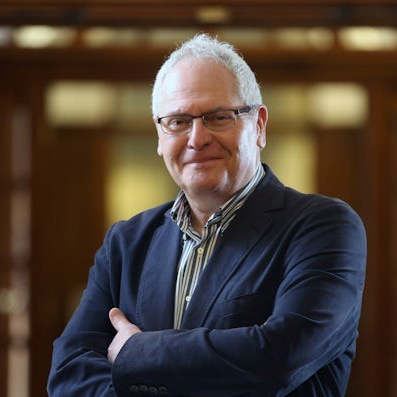
Chair’s introduction
Professor Kevin Morgan
Professor of Governance and Development, Cardiff University
Professor Kevin Morgan's biography
Kevin Morgan has been researching public food systems in Europe, North America and Africa for more than 20 years. He has recently summarised the results of this work in a new book, Serving the Public: the good food revolution in schools, hospitals and prisons, published by Manchester University Press.
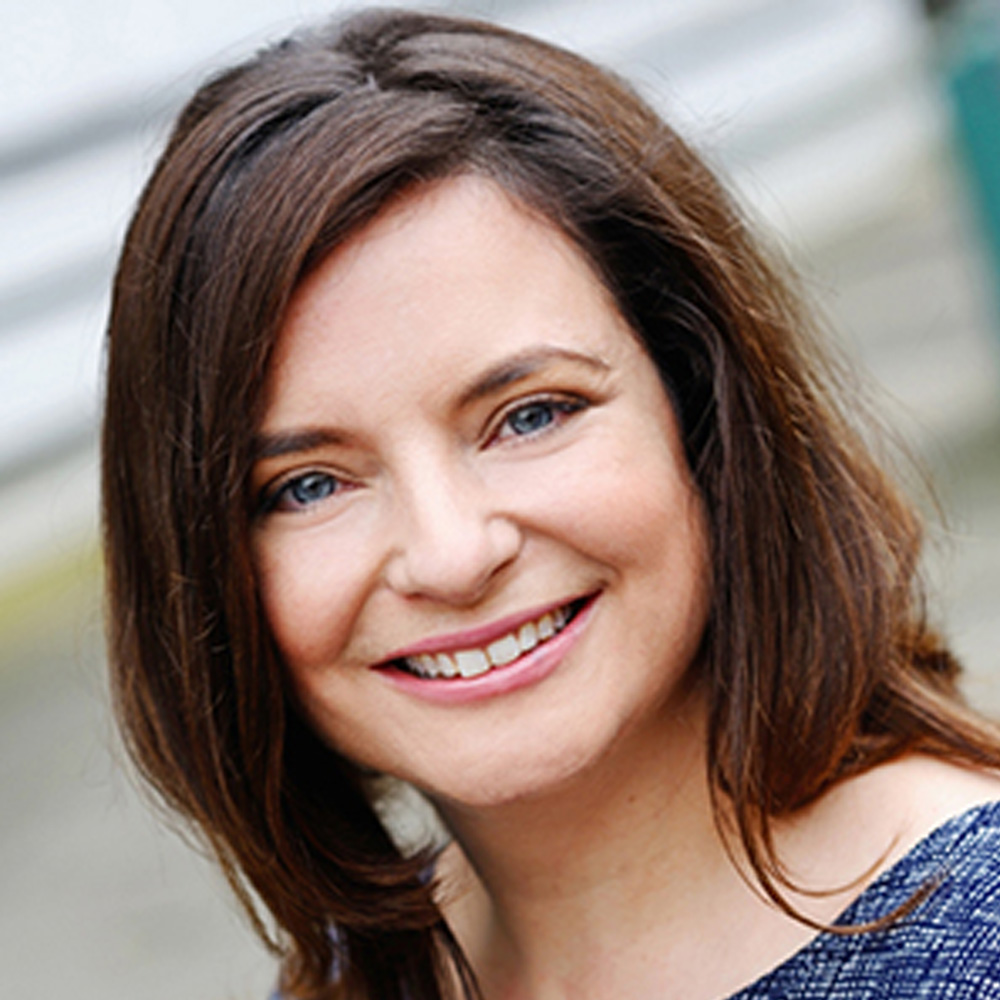
Moderator’s introduction
Tanya Haffner
Registered Dietitian, CEO and founder of the MyNutriWeb food and nutrition education hub, Chair of the BDA Sustainable Diets Committee


Tanya Haffner's biography
Tanya is a registered dietitian, CEO, and founder of MyNutriWeb and Nutrilicious Communications. With 30+ years of experience across healthcare, education, food systems and communications. She supports professionals and workers within these systems to help people eat well, with a triple win for health, planet and the economy. She is current Chair of the British Dietetic Association’s Sustainable Diets Group and member of the BDA Food Strategy Woking Group, supporting members to embed sustainability into practice through training, guidance and policy change. Tanya believes that the trusted role of healthcare and food professionals by the public, working across multiple sectors in society, position them as powerful agents of change; whose understanding of the key issues and ability to apply change is vital to delivering on some of most pressing health and environmental goals of our time.
Recording Timestamp: 00:13:05
The new frontier in dietetics: why is environmental sustainability becoming a core part of nutrition and dietetic practice?
Tanya Haffner
Registered Dietitian, CEO and founder of the MyNutriWeb food and nutrition education hub, Chair of the BDA Sustainable Diets Committee
Tanya Haffner’s biography
Tanya is a registered dietitian, CEO, and founder of MyNutriWeb and Nutrilicious Communications. With 30+ years of experience across healthcare, education, food systems and communications. She supports professionals and workers within these systems to help people eat well, with a triple win for health, planet and the economy. She is current Chair of the British Dietetic Association’s Sustainable Diets Group and member of the BDA Food Strategy Woking Group, supporting members to embed sustainability into practice through training, guidance and policy change. Tanya believes that the trusted role of healthcare and food professionals by the public, working across multiple sectors in society, position them as powerful agents of change; whose understanding of the key issues and ability to apply change is vital to delivering on some of most pressing health and environmental goals of our time.
Session outlines and learning objectives
This session will provide an introduction and high-level overview of sustainability in nutrition and dietetics, exploring how current food systems affect both planetary and population health, and how climate change is reshaping food production and access. Drawing on key reports such as EAT-Lancet Commission’s Report 2.0, it will place nutrition within a wider global context.
It will also highlight international efforts to transform food systems, outline current NHS developments including Green NHS initiatives and Net Zero targets, and emphasise the vital role dietitians and nutrition professionals play in driving sustainable change.
Watch this session to:
GAIN CLEAR UNDERSTANDING OF:
- How current food systems impact both planetary and population health
- The relationship between climate change and food production, access, and dietary patterns
- The global and UK policy landscape shaping sustainable food system transformation
- The role of healthcare – particularly nutrition and dietetics – in contributing to Net Zero targets
BE AWARE OF:
- Key reports and frameworks influencing sustainable nutrition practice (e.g., international commissions and UK assessments)
- Current NHS sustainability initiatives, including Green NHS teams and Net Zero commitments
- The practical and political challenges involved in delivering sustainable healthcare
BE ABLE TO:
- Articulate why sustainability is central to modern dietetic practice
- Identify where dietitians and nutrition professionals can influence environmental outcomes
- Engage confidently in conversations about sustainable food systems within healthcare settings
Recording Timestamp: 00:47:18
Sustainable Diets: Impact on Nutritional Quality
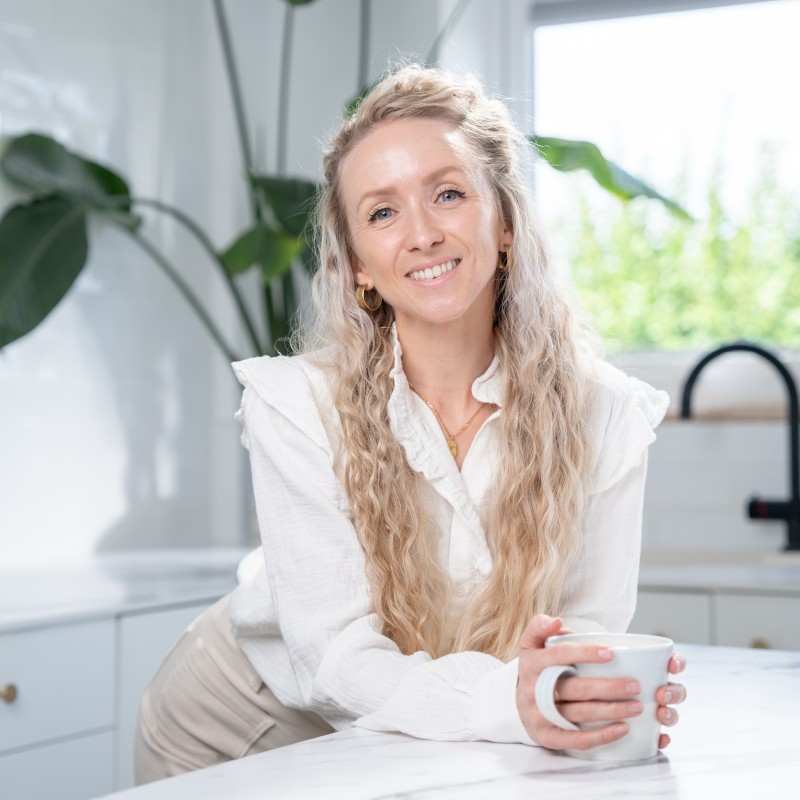
Rosie Martin
Employee Health & Wellness Dietitian at the Royal Devon University Healthcare NHS Foundation Trust, Freelance Plant-Based Specialist Dietitian at Rosemary Nutrition & Dietetics and Vice-Chair of the BDA Sustainable Diets Specialist Group
Rosie Martin’s biography
Rosie is a UK Registered Dietitian and former zoologist. With a decade of NHS experience in both acute and community care, specialising in gastroenterology, oncology and weight management, she now champions evidence-based, plant-forward nutrition for health, sustainability, justice and animal welfare.
Session outlines and learning objectives
This session will introduce the concept of sustainable diets and what this means in practice, drawing on key frameworks such as the EAT-Lancet report. It will explore how sustainable diets connect human health, environmental sustainability, and social justice. The session will also address common myths and misconceptions around plant-rich diets, including concerns about protein quality and key nutrients such as iron, zinc, and calcium.
Watch this session to:
GAIN CLEAR UNDERSTANDING OF:
- The definition and key components of sustainable diets and the Planetary Health Diet
- The relationship between sustainable dietary patterns and population health outcome
- The evidence on nutritional adequacy of plant-rich diets in the UK context
BE AWARE OF:
- Key nutrients requiring attention in plant-rich and plant-based diets (e.g. B12, iodine, iron, calcium)
- Common misconceptions around protein, iron and nutrient adequacy in plant-based diets
- The role of dietary planning and food choices in maintaining nutritional adequacy
BE ABLE TO:
- Explain the nutritional implications of sustainable diets to patients and colleagues
- Identify practical strategies to support adequate nutrient intake in plant-rich diets
- Confidently address common concerns about nutritional adequacy in sustainable eating patterns
Recording Timestamp: 1:08:20
Sustainability training of dietitians and nutritionists: Where are we now and where are we heading?
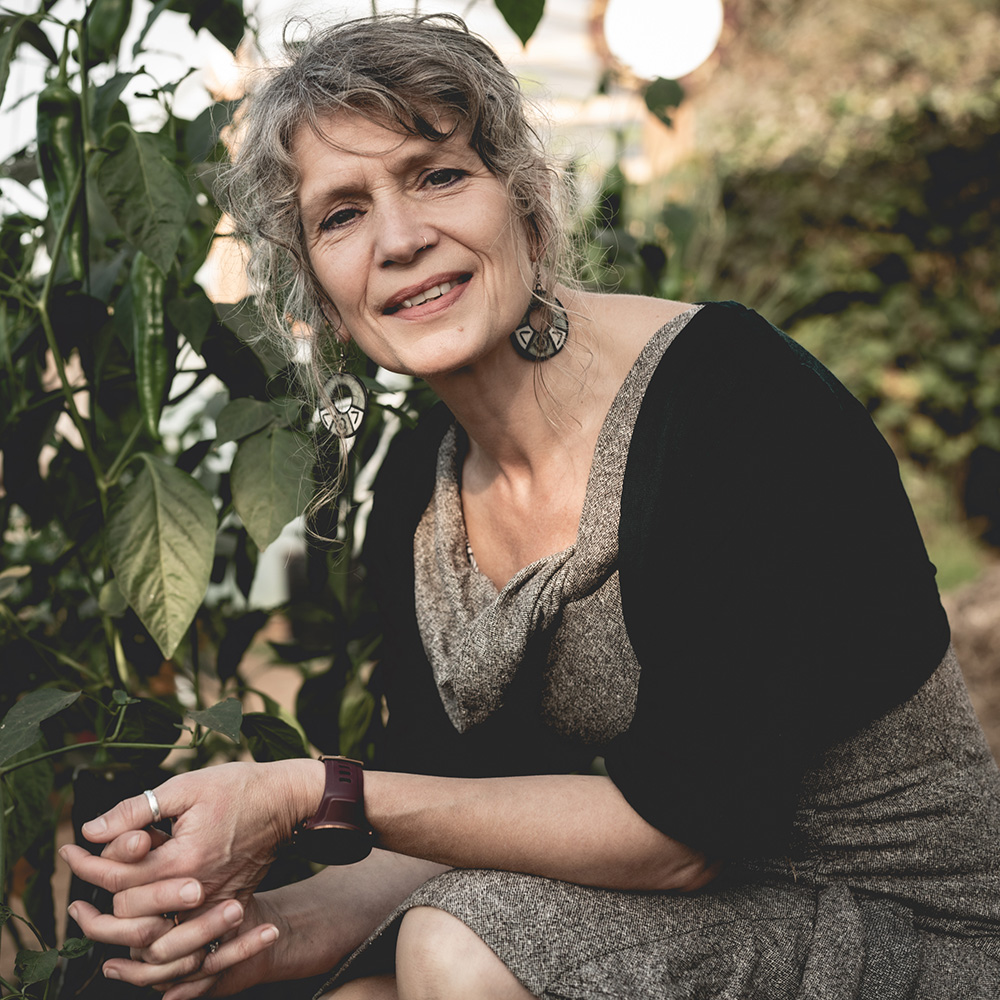
Dr Clare Pettinger
Associate Professor Public Health Dietetics & active food systems researcher at School of Health Professions, University of Plymouth
Dr Clare Pettinger’s biography
Clare is an award-winning Registered Dietitian, Public Health Nutritionist and experienced educator, actively engaged in community-focussed research around food systems, poverty and social justice.
She is a passionate sustainability advocate and believes that radical creative approaches are essential to tackle local/global health, (in)equality and social well-being challenges.
Session outlines and learning objectives
As pressures mount to achieve sustainability agenda goals, new evidence appraisal and educational input are essential to support nutrition professionals to be fit for their future practice. Yet current training is inconsistent and often inadequate. Many scholars, therefore, are calling for more systematic, robust curricular frameworks that can be used by educators to champion this agenda.
Watch this session to:
GAIN CLEAR UNDERSTANDING OF:
- The (tertiary) education setting and its role in preparing nutrition professionals that are fit for the future
- The need for consistent education (sustainable food systems/diets) for nutrition professionals
- Current action research successfully being delivered to inform this agenda
BE AWARE OF:
-
Education and pedagogy (how people learn)
-
Frameworks and how they are used in education
-
Relevant action research methods used to support education for sustainability
BE ABLE TO:
- Critique relevant literature
- Discuss relevant concepts
- Support future dialogues on this topic
Recording Timestamp: 1:24:20
Turning Policy into Practice: NHS Green Teams and the new BDA Policy
Emily Latoy
Senior Specialist PCN Dietitian at Guy’s and St. Thomas’ NHS Foundation Trust
Emily Latoy’s biography
Session outlines and learning objectives
The talk will outline the call to action of the latest update of the BDA sustainability policy and give an overview of what is expected from dietitians. It will also outline the benefit and role of departmental green teams and talk through the new Guy’s and St. Thomas’ ‘Practical Sustainability Guidelines for the Dietetic Workforce Document’ produced by the double AHPP award winning Green Team. Attendees should come away with actions and resources to embed in their own teams and departments.
Watch this session to:
GAIN CLEAR UNDERSTANDING OF:
-
The updated BDA Sustainability Policy and Position Statement
-
The pioneering practical guidance document for the clinical dietetic workforce produced by Guy’s and St. Thomas’ NHS Foundation Trust
-
Why Green Teams are crucial as trailblazers for achieving Net Zero
BE AWARE OF:
-
Key enablers and barriers to change leading up to 2030
-
Priority workflows for clinical practice
-
Key contacts for support setting up a Green Team
BE ABLE TO:
-
Meet the requirements laid out in the BDA Long-Term Plan and Sustainability Policy Document.
-
Produce impactful documentation to lay the groundwork for future sustainability projects
-
Use ‘Systems-Thinking’ to navigate complexities of sustainable practice in large organisations
Recording Timestamp: 1:40:40
Stories of progress: Do we understand the impact of Oral Nutritional Supplements (ONS)?
Rebecca Fisher
Professional Lead Dietitian Children and Young People Eating Disorders
Rebecca Fisher’s biography
Rebecca supports the eating disorders service in North Central London, with a keen interest in relationship between food and body. In a previous career Rebecca worked in a prescribing and procurement advisory role, and was able to lead work on exploring the sustainability of nutrition support products. As a child she was a founding member of junior friends of the earth.
Session outlines and learning objectives
Watch this session to:
GAIN CLEAR UNDERSTANDING OF:
-
Key insights from the NHS London Procurement Partnership report, including environmental and system-level considerations
-
The sustainability impact of Oral Nutritional Supplements (ONS) and why this area has historically been underexplored
-
What the landscape of assessing the environmental impact of nutrition support products look like
BE AWARE OF:
-
The limitations in current evidence and the lack of established expertise in this field
- How the CO2e cost can be estimated
- How the CO2e cost can monitored
- The scale of the challenge in understanding of clinical necessity or practicality?
- Systemic factors that may contribute to ONS being overlooked in sustainability and prescribing discussions
BE ABLE TO:
-
Reflect on opportunities to integrate sustainability into prescribing and procurement practices
-
Identify practical ways to apply the existing work locally to measure carbon reduction

Recording Timestamp: 2:01:33
Unpacking the science behind healthy sustainable Planetary Health Diet – from observational studies to randomised clinical trials
*Please note this session is prerecorded
Professor Walter Willett
Professor of Epidemiology and Nutrition, Harvard T.H. Chan School of Public Health
Dr Walter Willet’s biography
Dr. Walter Willett is a physician and epidemiologist and Professor of Epidemiology and Nutrition at the Harvard T.H. Chan School of Public Health. He served as Chair of the Department of Nutrition at Harvard for 25 years. Much of his work has been on the development of methods, using both questionnaire and biochemical approaches, to study the effects of diet on the occurrence of major diseases. He has applied these methods starting in 1980 in the Nurses’ Health Studies I and II and the Health Professionals Follow-up Study. Together, these cohorts that include nearly 300,000 men and women with repeated dietary assessments are providing the most detailed information on the long-term health consequences of food choices. Dr. Willett has published over 2,200 research papers, primarily on lifestyle risk factors for heart disease and cancer, and has written the textbook, Nutritional Epidemiology, published by Oxford University Press. He also has four books for the general public. Dr. Willett is the most cited nutritional scientist internationally. He is a member of the National Academy of Medicine and the recipient of many national and international awards for his research
Session outlines and learning objectives
Many challenges face today’s world, including climate change, degradation of our environment, simultaneous increases in non-communicable disease and undernutrition, and social disruption. Our food systems and continued use of fossil fuels are key drivers of these changes, but shifting to sustainably produced diets can also contribute greatly to mitigating these challenges. We can see a path forward that we need to follow to prevent 15 million premature deaths annually and be sustainable and just.
Watch this session to:
GAIN CLEAR UNDERSTANDING OF:
-
A healthy diet in broad terms
-
The potential global health benefits of adhering to a healthy and environmentally sustainable dietary pattern
BE AWARE OF:
- The approximate proportion of premature mortality that could be prevented through global adherence to the EAT-Lancet Commission dietary targets
BE ABLE TO:
- Describe a dietary pattern that is both healthy and environmentally sustainable, including the types of evidence supporting this pattern
Sustainable by default – moving towards sustainable hospital menus. The New Plants First Healthcare Coalition – what does this mean for dietetics? Myth busting, key priorities and stories of progress
Recording Timestamp: 2:53:20
Low Carbon Menus in Practice
Amy Roach
Registered Dietitian, UK Healthcare Manager at Greener By Default
Amy Roach’s biography
Amy is a registered dietitian, certified lifestyle medicine professional, and the Consultation Officer for the British Dietetic Association’s Sustainable Diets Specialist Group. She is the UK Healthcare Manager at Greener by Default working as part of the Plants First Healthcare Coalition empowering hospitals in the UK to serve more sustainable, plant rich menus. Her background includes clinical roles in the NHS and a year as an NHS England Sustainability Fellow.
Session outlines and learning objectives
This session will provide an overview of the latest Plants First Healthcare Coalition and look at practical ways to bring low-carbon menus into everyday practice, including using choice architecture, simple nudges, and tasty, appealing menu names to encourage more sustainable choices that work within food and nutrition standards and maintain choice. It will explore two case studies and discuss common challenges to implementing low carbon menus and share realistic solutions to help overcome them. The session will also highlight the positive impact low-carbon menus can have on people’s health, planetary health, and cost-effectiveness. Attendees will leave feeling inspired and equipped with practical ideas to support change in their own settings.
Watch this session to:
GAIN CLEAR UNDERSTANDING OF:
- The role and support offered by the Plants First Healthcare Coalition (PFHC)
- How low-carbon menus can be implemented in practice using choice architecture, nudges, and menu design
- The role of menu planning and behavioural strategies in supporting sustainable food choices
BE AWARE OF:
- Who can support you and your Trust, and how to access that support through the Plants First Healthcare Coalition (PFHC)
- Common barriers to introducing low-carbon menus in real-world settings
- The importance of maintaining nutritional quality, acceptability, and patient choice
BE ABLE TO:
- Apply practical strategies such as nudging and positive menu naming to support sustainable menu selection
- Identify ways to address challenges when implementing low carbon menus
- Use simple, actionable ideas to encourage more sustainable food provision in practice
Recording Timestamp: 3:11:40
Low Carbon Menus in the NHS
Saachi Avis
Head of Dietetics, Compass UK&I
BDA Food Service Specialist Group Chair
Saachi Avis’s biography
Saachi Avis leads the Compass UK & I Healthcare Dietetics Team, driving safe, evidence-based nutrition across healthcare. With over 15 years’ dietetic experience, including 12 in food service and roles spanning NHS and healthcare catering, she champions improved standards and dining experiences. Saachi chairs the BDA Food Service Specialist Group and contributes to key BDA publications, including the Nutrition and Hydration Digest.
Session outlines and learning objectives
This session will explore what low carbon menus are, outline what these menus look like in both patient and retail settings, highlight key considerations for implementing them, explain the role of the dietitian in guiding this work, and provide an overview of the Nutrition and Hydration Digest Standards, and where they sit within the wider healthy sustainable diets agenda.
Watch this session to:
GAIN CLEAR UNDERSTANDING OF:
- What low carbon menus are, including a clear definition
- How low carbon principles apply differently across patient/catering and retail/visitor food services
- Where the Nutrition and Hydration Digest and other standards fit within the wider context of sustainable food services in the NHS
BE AWARE OF:
- The role of the dietitian in shaping and implementing low carbon menu strategies across healthcare settings
- Key environmental, nutritional, operational and cultural considerations when developing lower-carbon dishes.
- The practical challenges and opportunities in aligning standards without compromising patient safety or experience
BE ABLE TO:
- Identify practical ways to adapt menus to lower carbon impact while maintaining choice, nutritional quality, and patient acceptability.
- Communicate the benefits and rationale of low carbon menus to multidisciplinary teams, catering partners, and stakeholders.
- Apply elements of the Nutrition and Hydration Digest to support decision making in sustainable menu design

Recording Timestamp: 3:31:30
Low Carbon Menus – Implementing Change in Hospitals
Idrees Anwar
Lead Dietitian NHS Supply Chain
Idrees Anwar’s biography
Idrees Anwar is an award-winning food service dietitian, who over the last 3 years of his career has been transforming the hospital food environment. His work has involved training over 200 hospital chefs, adapting multiple hospital menus and helping nourish staff and patients.
Session outlines and learning objectives
Sustainability is an important part of our daily lives, both for planetary health and public health. We need to increase our understanding in order to promote healthy and sustainable practices related to food, whether it is during consultations or through system change.
This session will explore how low-carbon menus can be implemented in practice, with a particular focus on the role of procurement, sourcing, and the wider supply chain in supporting sustainable food provision. It will discuss how healthcare organisations can work effectively with suppliers to promote more sustainable products and menu options. The session will also highlight the role of the catering dietitian in supporting menu design, waste reduction, and implementation, emphasising the importance of collaboration across teams.
Watch this session to:
GAIN CLEAR UNDERSTANDING OF:
- How procurement in hospitals work
- What we can do as dietitians to promote change
- What can be done to protect
BE AWARE OF:
- What supply is available in hospitals
- The responsibility of dietitians
- Methods to improving sustainability parameters
BE ABLE TO:
- Pioneer change
- Promote sustainable practices with current healthy eating guidance
- Feel empowered and informed to promote sustainability
Recording Timestamp: 3:48:35
How to create a food culture change in hospitals? Story of progress
Session outlines and learning objectives
In this session, Sarah and Larry will explore the remarkable transformation of food culture led by Larry at the Royal Free Hospital. They will uncover how thoughtful, practical changes – both in the dining environment and on the menu – can completely reshape how staff, patients, and their families experience hospital food. Drawing on real-world insights, Larry will share the story behind this journey: the breakthroughs that made a difference, the challenges that tested the process, and the lessons learned along the way. He will also reveal how he successfully brought diverse stakeholders, including senior leadership, on board to support a shared vision for change.
Watch this session to:
GAIN CLEAR UNDERSTANDING OF:
- How a shift in food culture can transform the experience of hospital dining for staff, patients, and families
- The impact of simple, practical changes to both the food environment and menu design
BE AWARE OF:
- Common challenges and barriers to changing food culture within hospital catering
- Practical tips and insights on implementing change
BE ABLE TO:
- Identify practical opportunities to improve food culture within your own organisation
- Apply strategies to engage and influence key stakeholders in driving change
- Draw on real-world insights to plan and implement meaningful improvements in hospital food provision
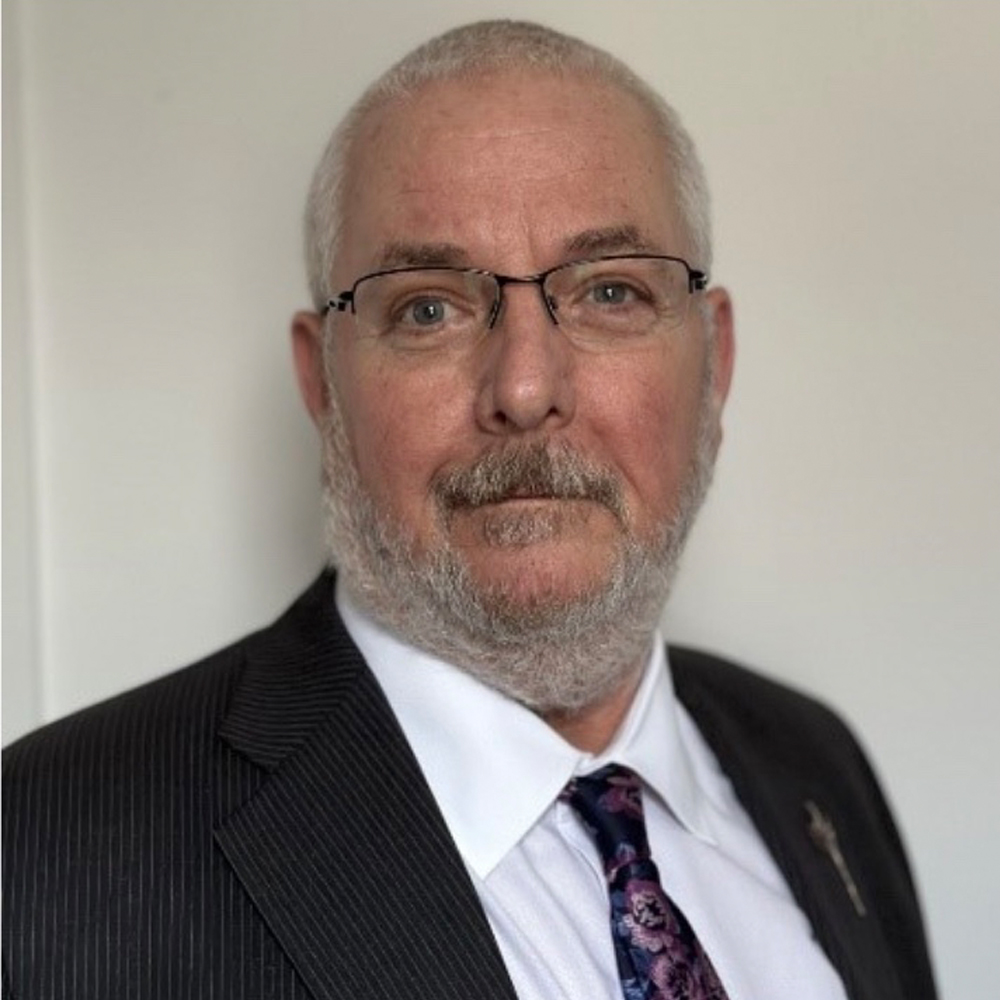
Larry Rosenthal
Catering Manager at Royal Free Hospital, a Director of the Hospital Caterers Association (London & Southeast Branch)
Larry Rosenthal’s biography
Larry Rosenthal is a nationally recognised leader in NHS catering and a master organic gardener whose “soil to palate” philosophy shapes his approach to food, service, and sustainability. With over fifty years of experience across the military, restaurants, higher education, and healthcare, he brings a rare blend of operational discipline and culinary depth. Larry learned leadership in the United States Army before spending four decades in the American restaurant industry, rising from kitchen porter and waiter to chef, manager, and New York restaurant owner. After moving to the UK, he became known as a catering turnaround specialist, rebuilding underperforming NHS departments, leading large teams, and delivering award-winning improvements in quality, compliance, and staff development.
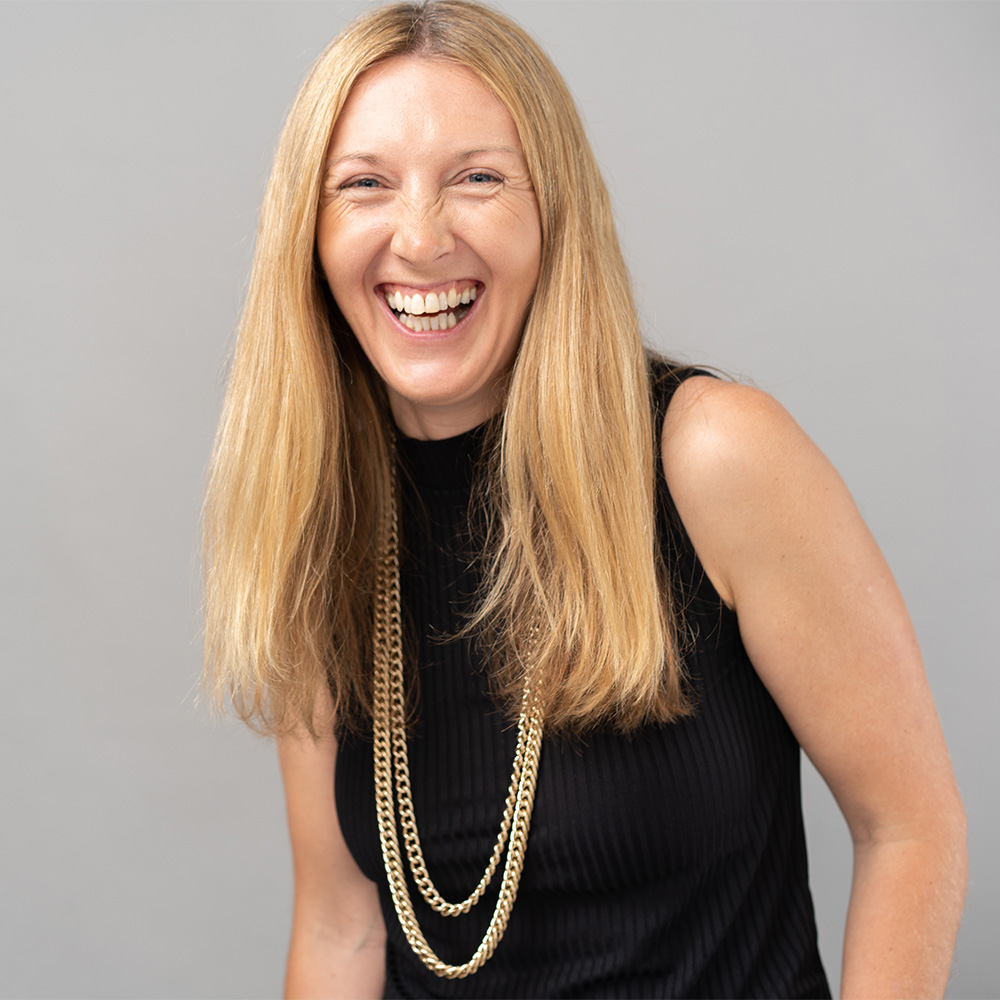
Sarah Bentley
Director of Food & Culture at Plant-Based Health Professionals UK
Sarah Bentley’s biography
Sarah Bentley is an award-winning founder, author, campaigner, broadcaster and community builder with a passion for food and social justice. Her work aims to inspire people to grow, cook and eat more plants for the benefit of people and planetary health. She founded pioneering plant-based community cookery school Made In Hackney, authored food justice cookbook WE COOK PLANTS and is now the Director of Food & Culture at Plant-Based Health Professionals UK where she supports healthcare settings to adopt plant-rich food cultures.
Nourishing patients: is there a role for a healthy sustainable diet?
Session outlines and learning objectives
This session will unpack key concerns around protein quality and nutritional adequacy in healthcare settings. Drawing on practical experience from implementing more sustainable menus in elderly care, the session will highlight real-world challenges and how they were addressed. Attendees will gain practical insights and solutions to support more sustainable menu changes in practice.
Session outlines and learning objectives
This session will explore how sustainable, plant-rich dietary approaches can be successfully adapted for vulnerable populations, including older adults, renal patients, and children. In their presentations, experts will highlight key nutritional considerations that help ensure these dietary patterns continue to support optimal health and clinical outcomes. Through practical case studies, speakers will share real-world examples of how sustainable diets are being implemented across different care settings. Participants will gain clear, practical insights to help support environmentally sustainable eating while meeting the specific nutritional needs of these groups.
Watch this session to:
GAIN CLEAR UNDERSTANDING OF:
- How plant-rich diets can support the nutritional needs of patients across the life course and what this looks like
- Key nutritional considerations for groups such as paediatric, elderly, and renal patients
- The role of plant-rich diets in supporting nourishment, recovery, and overall health
BE AWARE OF:
- Common concerns and misconceptions around plant-rich diets in clinical populations
- Potential barriers to implementing plant-rich approaches in healthcare settings
- The importance of tailoring nutrition advice to different patient groups
BE ABLE TO:
- Identify practical ways to incorporate plant-rich foods into patient care
- Discuss plant-rich dietary approaches with confidence in a range of clinical contexts
- Support patients and families in meeting nutritional needs while promoting sustainable eating patterns
Recording Timestamp: 4:13:18
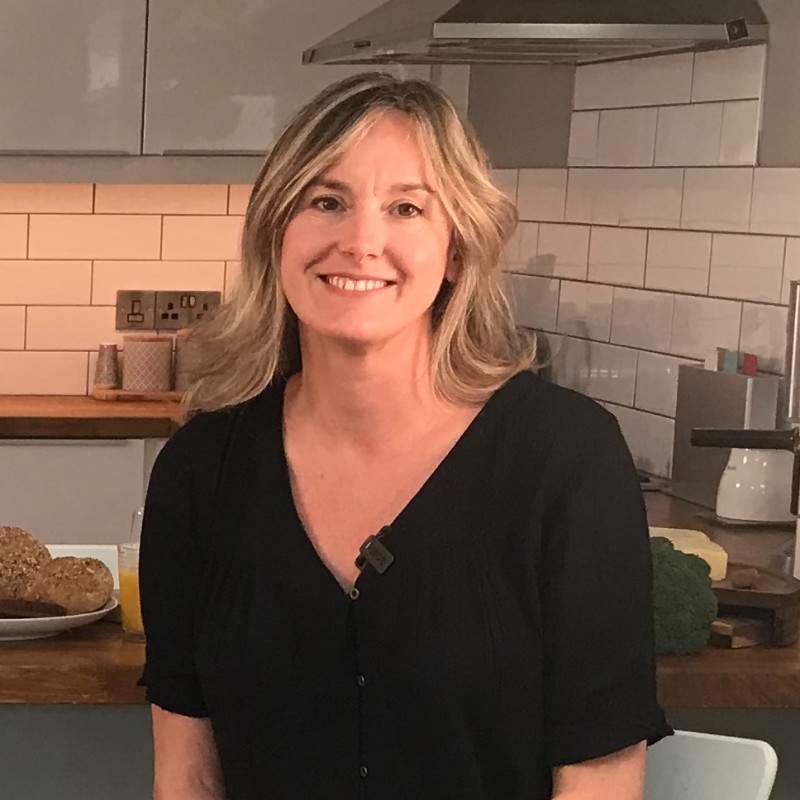
Angeline Taylor
Lead Renal Dietitian at Royal Devon and Exeter NHS Trust, Chair BDA Kidney Dietitian Specialist Group
Angeline Taylor’s biography
Angeline is a renal dietitian based at the Royal Devon and Exeter NHS Foundation Trust and the Chair of the BDA Kidney Dietitian Specialist Group with a strong interest in plant-based nutrition and its role in supporting kidney health. She also works with Kidney Care UK as the dietitian for Kidney Kitchen, helping develop practical nutrition resources and recipes to support people living with kidney disease.
Recording Timestamp: 4:32:45
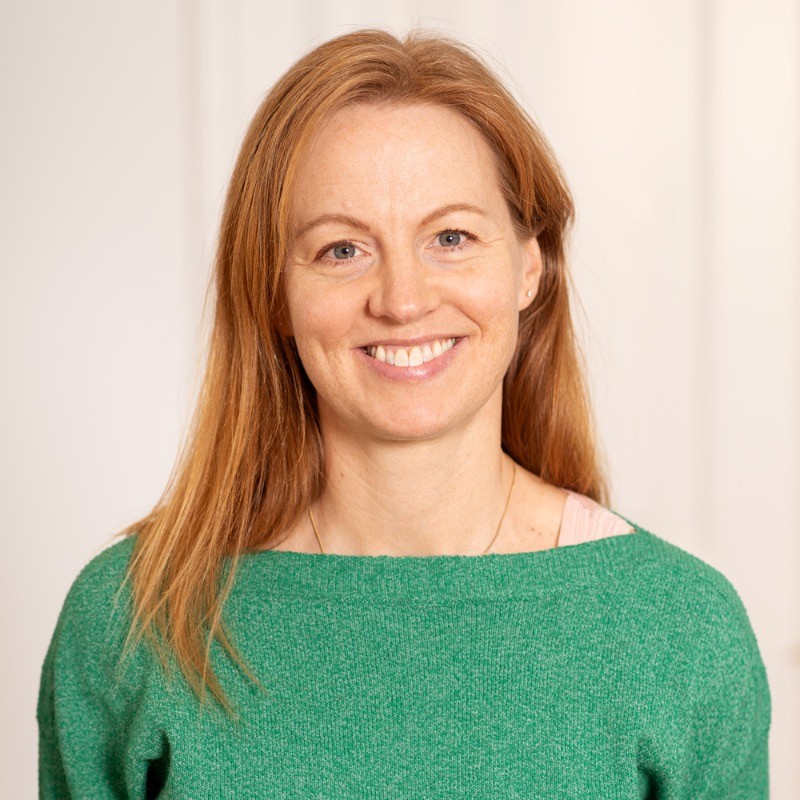
Tina Beermann
Nutrition Specialist at Vegetarian Society of Denmark
Tina Beermann’s biography
Tina works as a registered dietitian – she has a master’s degree in clinical nutrition and worked at Aalborg University Hospital as a chief dietitian for ten years. She holds a strong interest in sustainability and currently works as a Nutrition Specialist at the Vegetarian Society of Denmark.
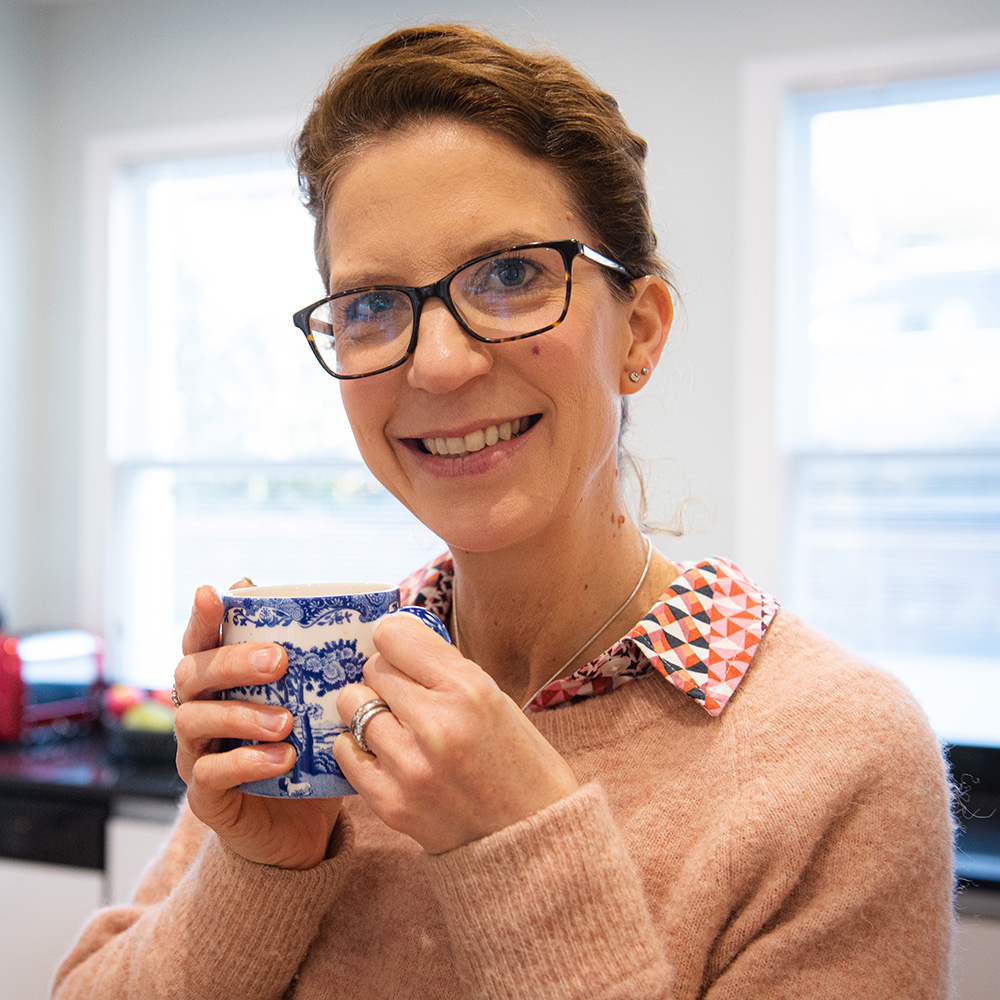
Recording Timestamp: 4:52:00
Paula Hallam
Specialist Paediatric Dietitian and the founder of Plant Based Kids
Paula Hallam’s biography
Paula is a highly experienced paediatric dietitian who has worked across leading children’s hospitals and research settings, including Great Ormond Street and King’s College London. Passionate about plant-based nutrition, she supports families with practical guidance, inspiring confidence through her book Plant Powered Little People and her dedicated programmes for raising healthy plant-based children.
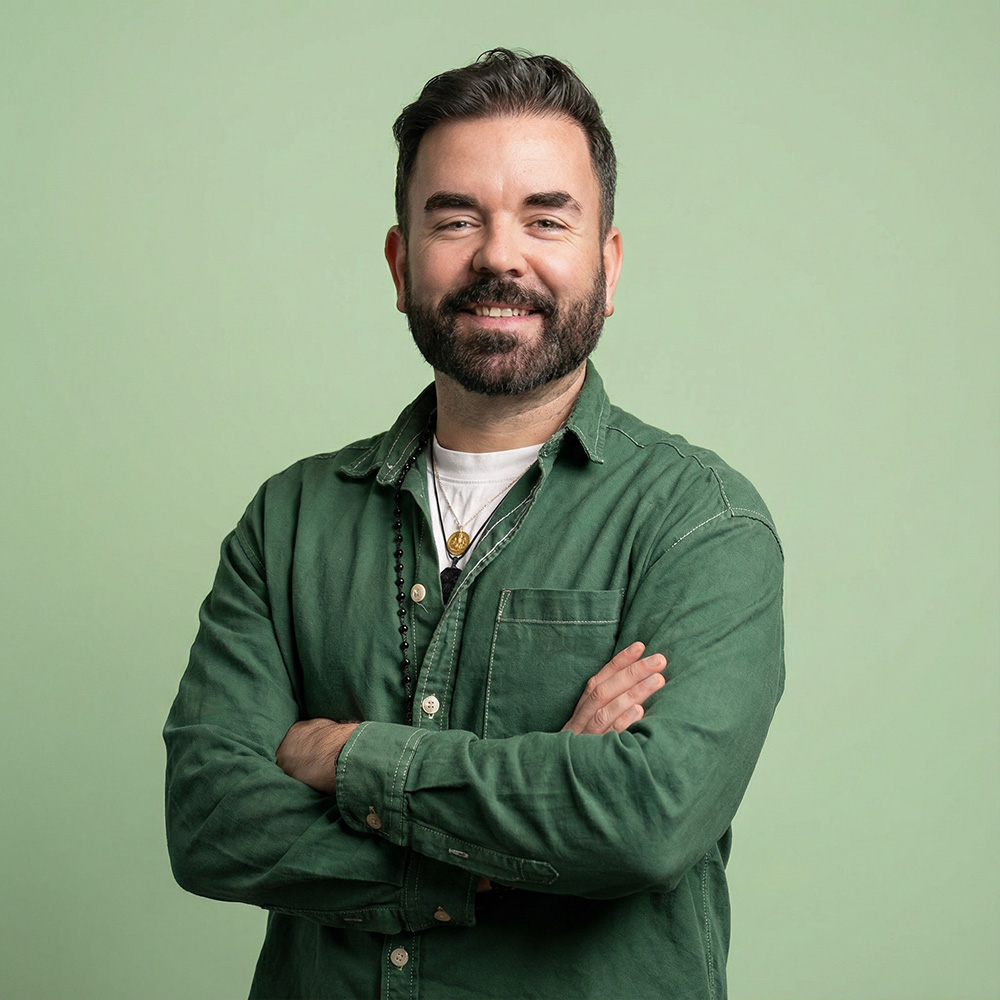
Recording Timestamp: 5:14:55
Where does the misinformation around healthy sustainable diets come from, and how can we tackle it?
Robbie Lockie
Co-Founder & CEO, foodfacts.org
Robbie Lockie’s biography
Robbie Lockie is the Founder and CEO of foodfacts.org, leading efforts to tackle misinformation and promote transparency in the global food system through foodfacts.org. As a Food Systems Futurist and former co-founder of Plant Based News, Robbie specialises in safeguarding information ecosystems and advancing science-backed narratives around food.
Session outlines and learning objectives
Nutritional misinformation is one of the most serious public health challenges of our time – and healthcare professionals are not immune to it. This session will explore how misleading content spreads online, who is amplifying it, and why. Drawing on evidence from foodfacts.org, Robbie will unpack the psychological and algorithmic forces that make misinformation so persuasive – and equip HCPs with practical tools to identify, challenge, and counter it in their own practice. In an era where patients and clinicians alike are bombarded with conflicting dietary messaging, this talk offers a science-backed framework for cutting through the noise.
Watch this session to:
GAIN CLEAR UNDERSTANDING OF:
- The main sources and mechanisms through which nutritional misinformation about sustainable and plant-rich diets spreads online and within healthcare settings
- The role of social media influencers, industry-funded content, and algorithmic amplification in promoting restrictive diets (e.g. carnivore, paleo) at the expense of evidence-based sustainable eating guidance
- How the 2026 US Dietary Guidelines have been misrepresented in mainstream and social media, and what the evidence actually says
BE AWARE OF:
- Common myths and misconceptions about healthy sustainable diets that are circulating within healthcare professional communities, not just among the general public
- The financial and ideological interests behind anti-plant-based campaigns, including those from the animal agriculture industry
- The specific risks to patient outcomes when HCPs encounter and internalise misinformation about sustainable diets
BE ABLE TO:
- Identify the hallmarks of nutritional misinformation and apply a critical evaluation framework to online dietary content
- Confidently communicate evidence-based guidance on healthy sustainable diets to patients and colleagues, addressing common objections rooted in misinformation
- Direct patients and colleagues to trustworthy, science-backed resources to support informed food decision-making
Recording Timestamp: 5:39:59
Sustainability in nutrition and dietetics: how to have difficult conversations and how to face system challenges? Panel Discussion
Session outlines and learning objectives
This session will explore how today’s more polarised climate can make conversations about nutrition and sustainability more challenging. It will help participants spot situations where difficulties may arise and feel more prepared to respond confidently. The session will also share practical ways healthcare professionals can discuss sustainable diets in clinical practice while maintaining clarity and confidence in their messaging. Finally, it will highlight how thoughtful, positive language can help engage and inspire others when discussing nutrition and sustainability.
Watch this session to:
GAIN CLEAR UNDERSTANDING OF:
- How polarisation and the current political climate can influence conversations about nutrition and sustainability
- What does polling tell us about how best to frame sustainable diets with different stakeholder groups?
- Why discussions about sustainable diets may sometimes be challenging in healthcare and public settings
- The importance of thoughtful framing and positive language when talking about sustainability
- The current major stumbling blocks to progress that require policy/regulatory intervention
BE AWARE OF:
- Situations where conversations about nutrition and sustainability may be met with resistance
- Potential barriers to discussing sustainable diets in clinical and professional practice
- The impact of language and communication style on engagement
- The key areas of policy, business and media concern when it comes to discussing healthy sustainable diets
BE ABLE TO:
- Apply practical approaches when discussing sustainability in clinical practice
- Respond confidently and professionally to challenging questions or perspectives
- Discuss how nature, cost saving and health evidence-based insights can be used to support bridge building narratives to support with difficult conversations
- Use positive, inclusive language to communicate nutrition and sustainability messages effectively

Philip Shelley
Senior Operational & Policy Manager at NHS England
Philip Shelley’s biography
Sarah Bentley
Director of Food & Culture at Plant-Based Health Professionals UK
Sarah Bentley’s biography
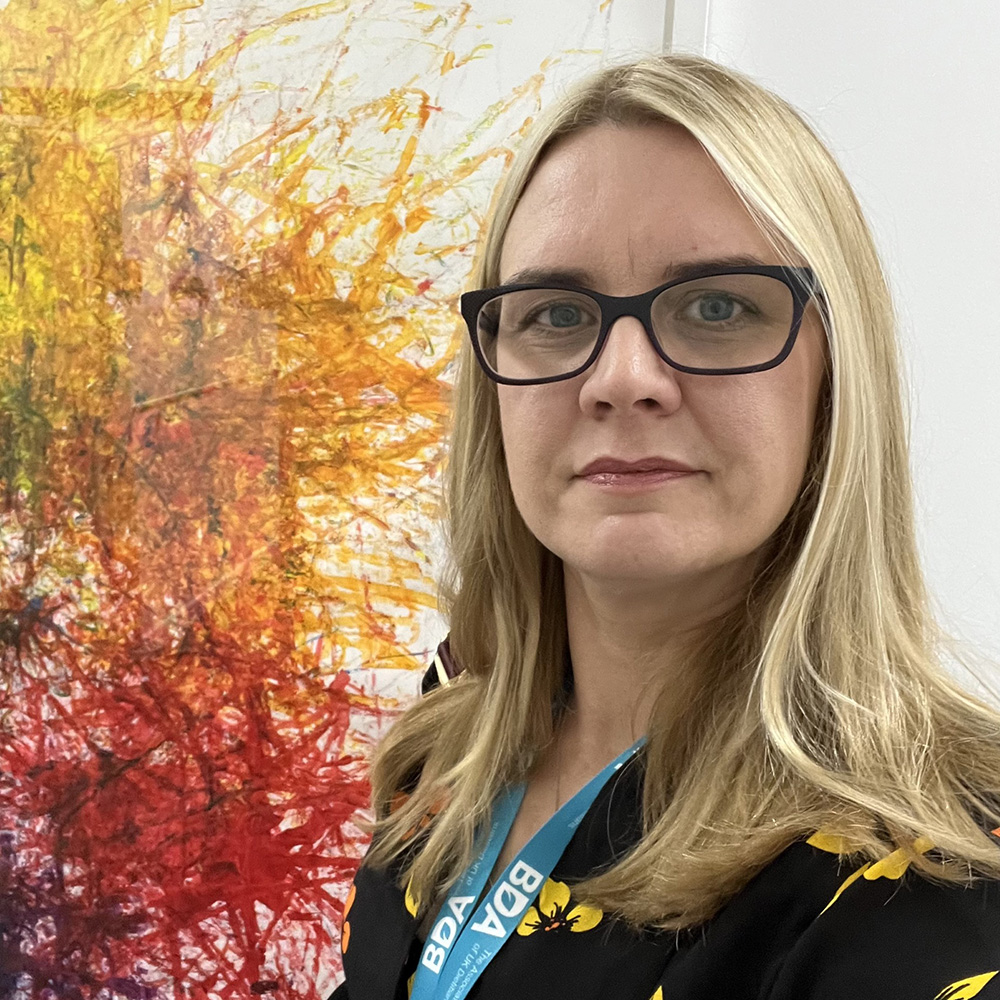
Mel Nolan
Specialist Community Diabetes Dietitian, Liverpool University Hospitals NHS Foundation Trust
Mel Nolan’s biography
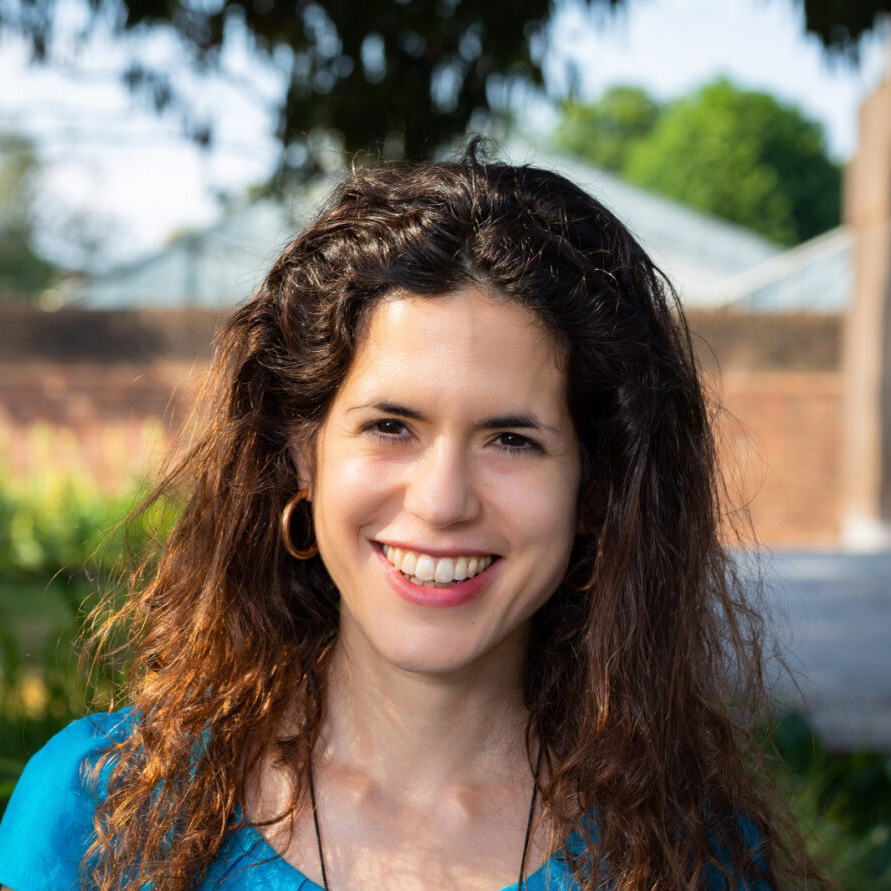
Rebecca Tobi
Head of Food Business Transformation at the Food Foundation
Rebecca Tobi’s biography
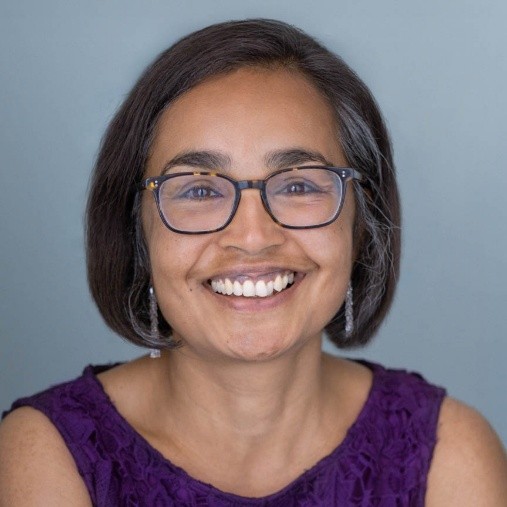
Shireen Kassam
Consultant Haematologist and Director of Plant-Based Health Professionals UK
Shireen Kassam’s biography
CPD CERTIFICATE & LEARNING MATERIALS
This symposium is approved for CPD by the AfN and BDA
CPD certificates will be issued based on length of total time attended
The event will cover an important aspect of nutrition that needs to be addressed with global supply chain systems and availability of nutrition sources (plant based vs animal based).
Webinar slides and links to other key resources will be sent within two weeks of viewing the symposium, along with a separate personalised CPD certificate to save for your files. Add hello@mynutriweb.com to your safe senders to ensure you receive them.
This webinar is kindly supported by BDA Sustainable Diets Group, foodfacts.org, Linwoods and Plant-Based Health Professionals UK

About BDA Sustainable Diets Group
The BDA Sustainable Diets Specialist Group represents HCPC registered dietitians with a specialist role or interest in sustainable diets, planetary health and environmentally friendly nutrition.

foodfacts.org is a science-backed fact-checking platform run by The Freedom Food Alliance — a volunteer-led non-profit on a mission to demystify the food system, debunk diet myths, and fight nutritional misinformation. With an advisory board of over 60 independent experts spanning nutrition science, linguistics, sustainability, and medicine, foodfacts.org provides expert-reviewed, accessible content to help consumers and professionals cut through the noise and make informed food choices.

Linwoods is a leading provider of nutrient-rich, organic milled seeds, nuts, and blends, designed to support health and wellbeing.
Backed by science, our products offer natural sources of essential nutrients, aiding digestion, heart health, and overall health -trusted by health professionals and consumers seeking functional nutrition for a balanced lifestyle.
About Plant-Based Health Professionals UK
Plant-Based Health Professionals UK is a community-interest company on a mission to transform UK healthcare into a healthier, fairer and more sustainable service by providing education, and leading initiatives, on the benefits of whole food plant-based nutrition and positive lifestyle approaches.
You can join our amazing membership community from as little as £15 a year, or sign up to our 21-day plant-based challenge for recipes, top-tips and advice from nutrition experts. Head to plantbasedhealthprofessionals.com to find out more.
Please note, approval of each sponsor and activity is carefully assessed for suitability on a case by case basis. Sponsorship does not imply any endorsement of the brand by MyNutriWeb, its organisers, its moderators or any participating healthcare professional, or their association. Sponsorship funds are reinvested into the creation and promotion of professional development opportunities on MyNutriWeb.
Popular Now

Why Calories Don’t Count
Brandilyn A. Peters-Samuelson: Menopause, hormones and the gut microbiome
What The Gut – Making sense of fibre & the gut microbiome
Feature in a Webinar
Webinar guest experts encompass topics relevant to all professionals and change agents in food and health, across all health and business sectors.
Would you like to feature in a webinar, or propose a guest expert?
Sponsor a webinar
MyNutriWeb offers organisations and brands an opportunity to sponsor topics, gaining valuable insights into the viewpoints of professionals within a moderated environment. If there is a topic that you would like to support please get in touch to discuss.
